August 16, 2026
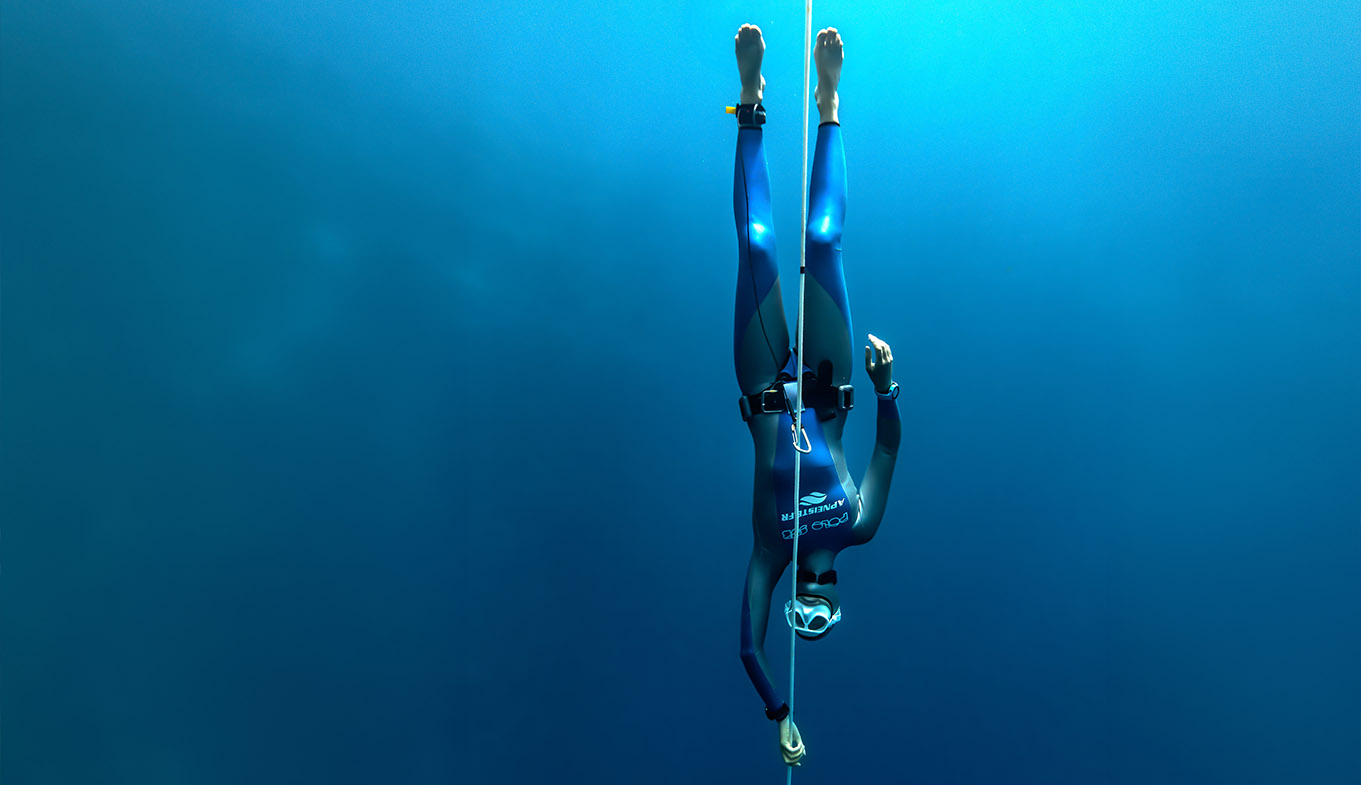
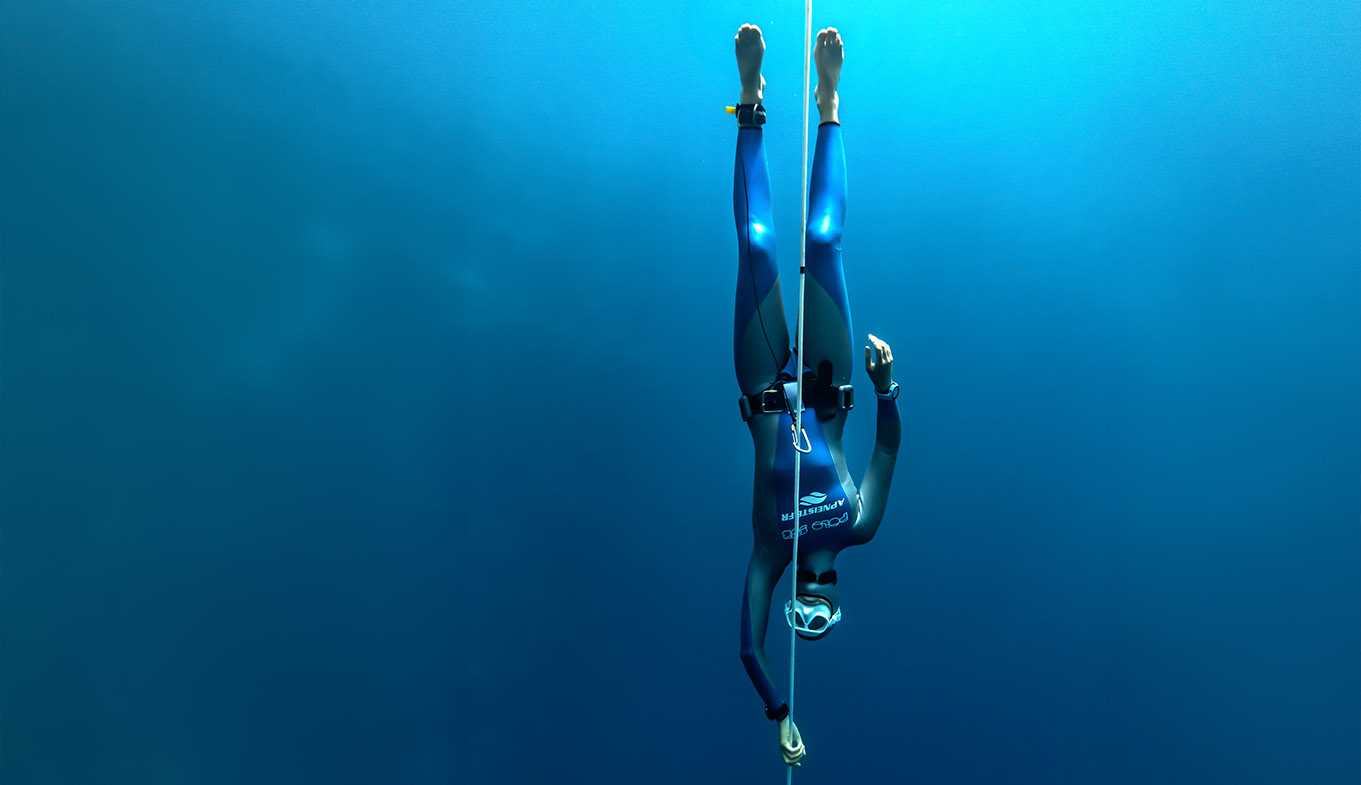
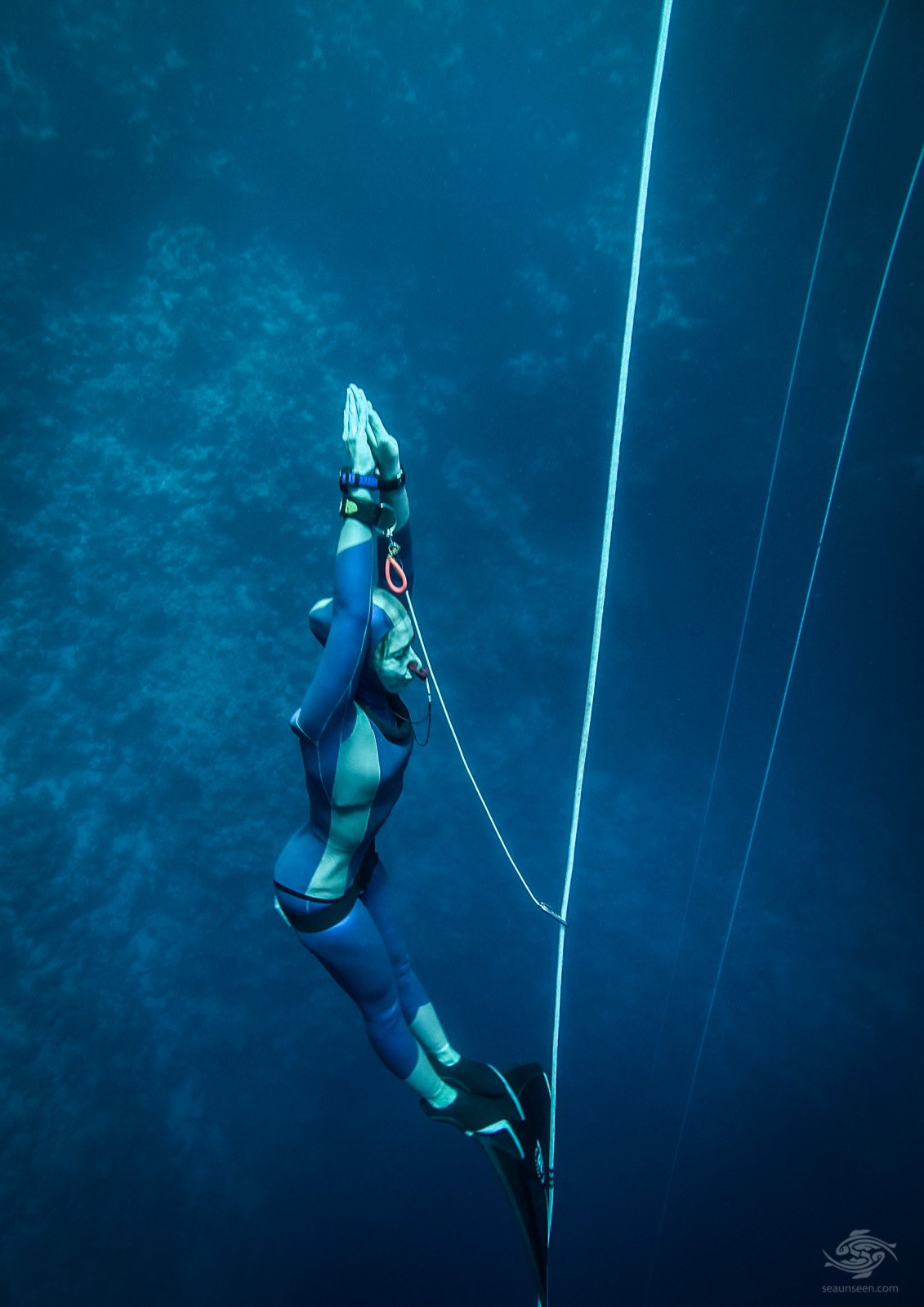 Freediving – a sport that meets the love of the sea with pushing your body to its limits. The ultimate test of human physiology and psychological control, athletes train their bodies to withstand immense pressure whilst their minds enter a calm state, ensuring oxygen levels are conserved. They are trained to dive great depths within a single breath without the support of any additional breathing equipment, with records reaching around 136 metres for men and 123 metres for women. So why is it such a popular sport? Many people choose to freedive for adventure, relaxation, self-discovery and to see what their bodies can withstand. It has become a sport that many athletes partake in to see how far they can push their bodies.
Freediving has been taking place for centuries in various parts of the world where it was a practical skill used to collect pearls, sponges and other marine resources by Ancient Egyptians, Greeks and Japanese Ama divers. However, since 1949, it has become a competitive sport when Italian air force officer Raimondo Bucher made a record 30-metre dive using basic equipment, which wowed members of the public and is widely regarded to be the beginning of modern competitive freediving. In 1992, the governing body for freediving, the Association Internationale pour le Developpement de l’Apnee (AIDA), was founded in Nice, France, introducing official rules, judging standards, safety procedures, and world record certification.
Within freediving, there are several disciplines which each test a diver’s breath control, technique and mental focus in a different way. Static Apnea (STA) challenges divers to see how long they can hold their breath whilst remaining still on the surface; however, Dynamic Apnea (DYN) involves swimming as far as possible underwater on a single breath. Constant Weight (CWT) involves descending and returning to the surface using fins or a monofin, while Constant Weight No Fins (CNF) relies entirely on a diver’s strength and technique. Free Immersion (FIM) sees divers pull themselves down and back up a line using their arms, focusing on control and efficiency. Variable Weight (VWT) and No Limits (NLT) are both more extreme disciplines which allow the use of specialised equipment to reach incredible depths. Each discipline requires more than just physical ability – it demands calmness, patience, precise technique and the ability to work with the body rather than against it.
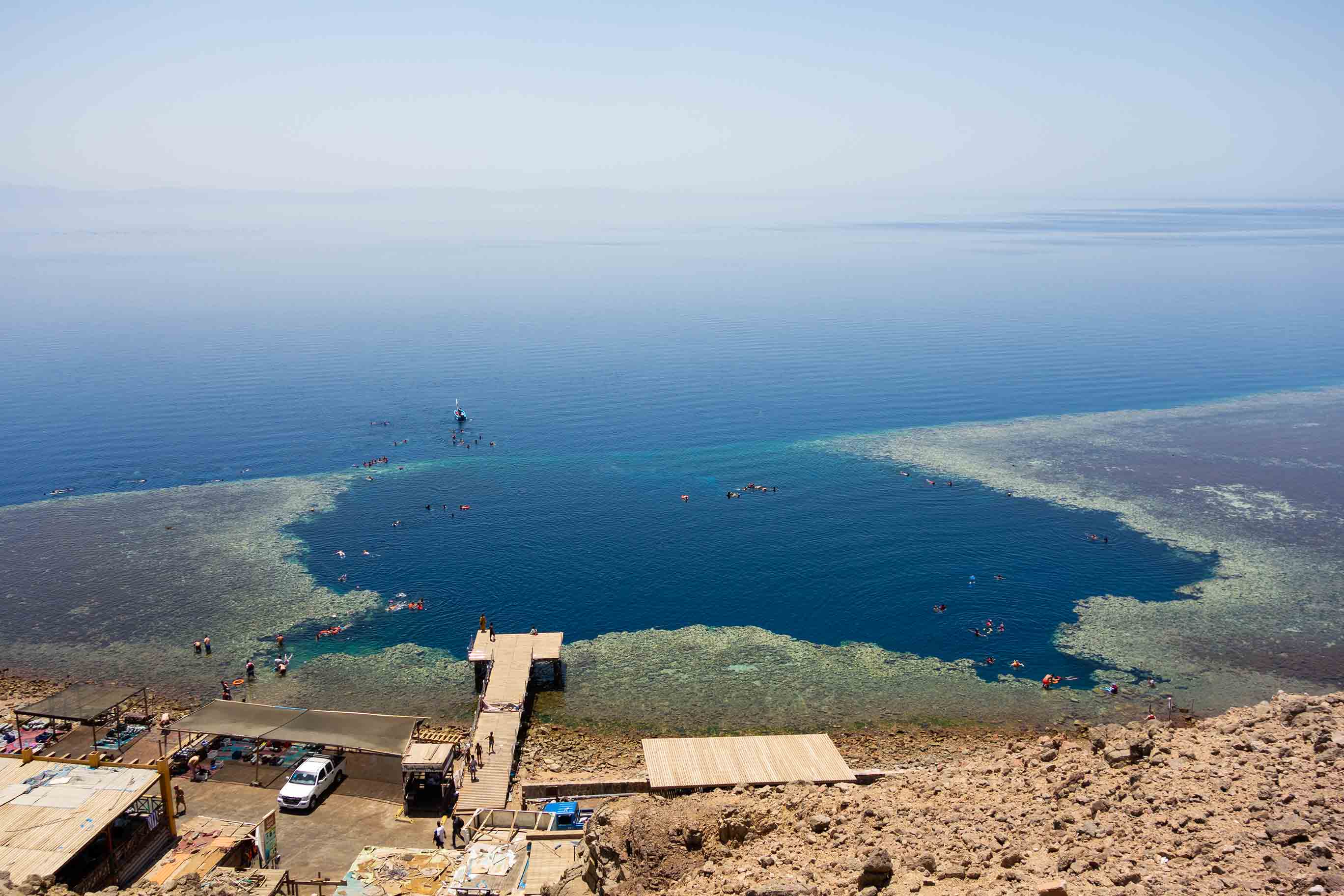
Egypt is home to some of the best diving locations, including Sharm El Sheikh, Nuweiba and Dahab, which is often cited as the freediving capital of Egypt. Home to many freediving competitions, Dahab has gained a reputation as one of the best freediving spots in the world due to its crystal-clear turquoise waters, calm conditions and easy shore access to deep water. The Lighthouse Reef has easy beach access as well as calm waters, making it an ideal freediving location for beginners. It is home to many renowned freediving schools and has a vibrant freediving community attracting freedivers from all over the world.
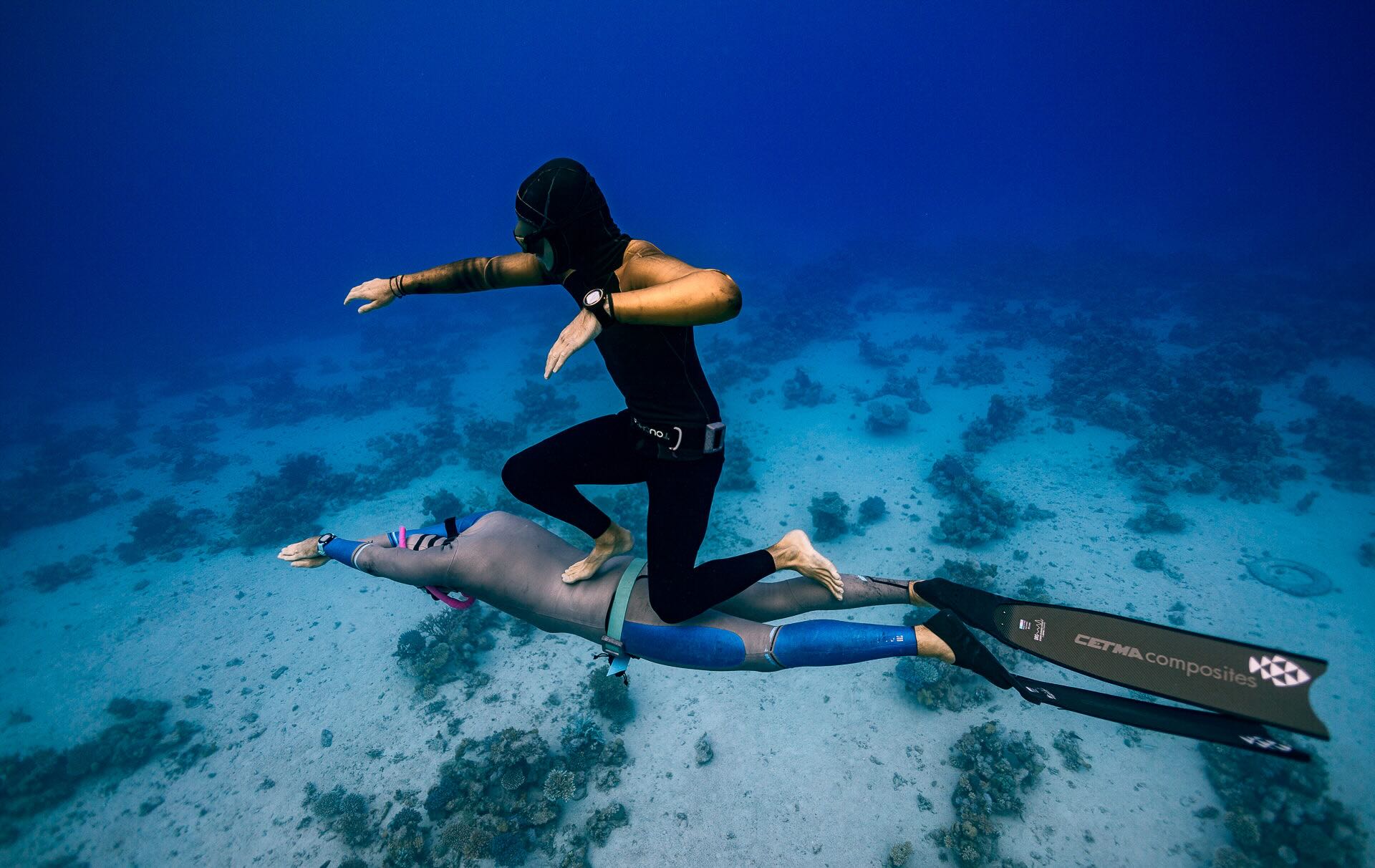
For the more advanced diver, the Blue Hole is a legendary dive site located in Dahab. It is a natural underwater sinkhole that attracts freedivers from all over the world and goes as deep as 130 metres. At around 56 metres (184 feet), an underwater tunnel known as the Arch connects the Blue Hole to the open sea. While the Blue Hole is breathtakingly beautiful, it has earned a reputation for diving fatalities, largely involving divers who exceeded their training or ignored safety procedures. Today, freediving at the site is conducted with strict safety measures, including trained buddies, safety divers and guidelines. It has also been nicknamed the “Diver’s Cemetery” for this reason.
Other popular freediving locations within Egypt include Marsa Alam with its healthy coral reefs, calm conditions, and a less busy site than Dahab. Sharm El Sheikh has numerous reefs and professional diving centres, making it an ideal location for beginners and the more experienced freedivers alike. Many freedivers choose to go to El Gouna or Hurghada for recreational freediving, where visitors can take boat trips to reefs to access remarkable locations to carry out the sport.
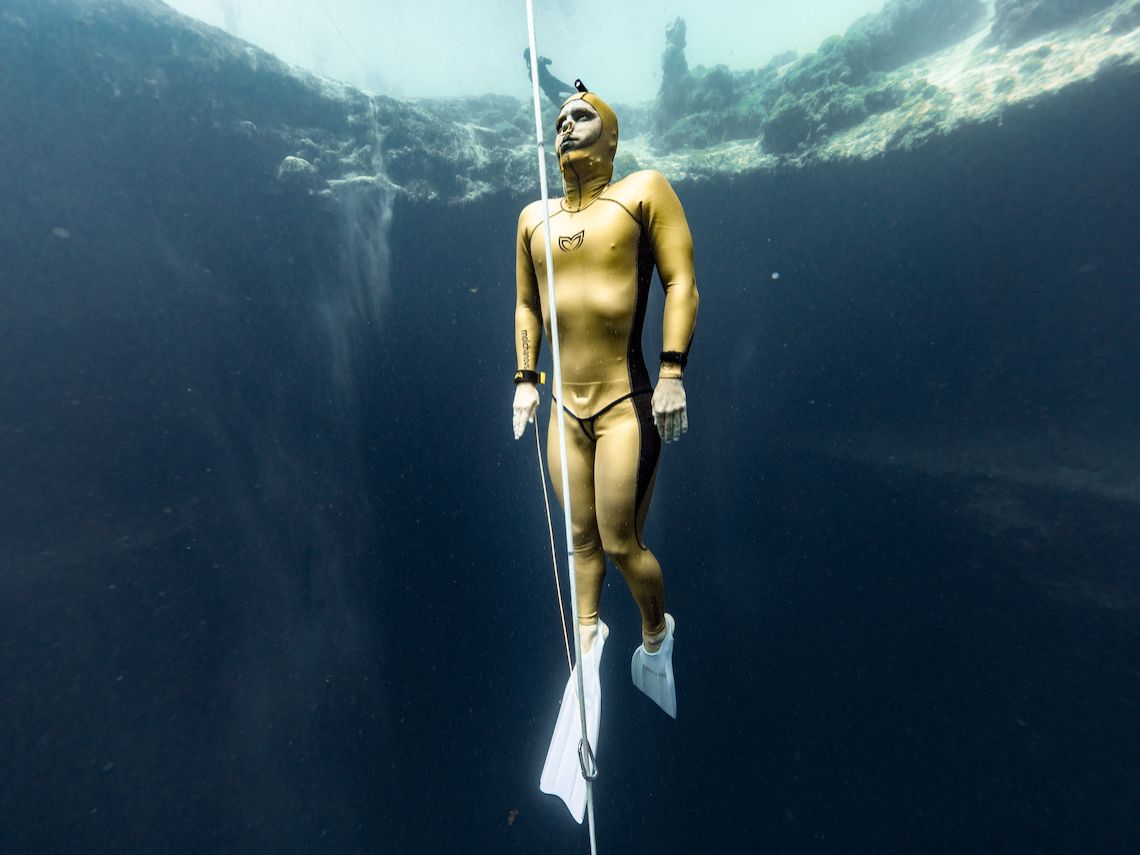
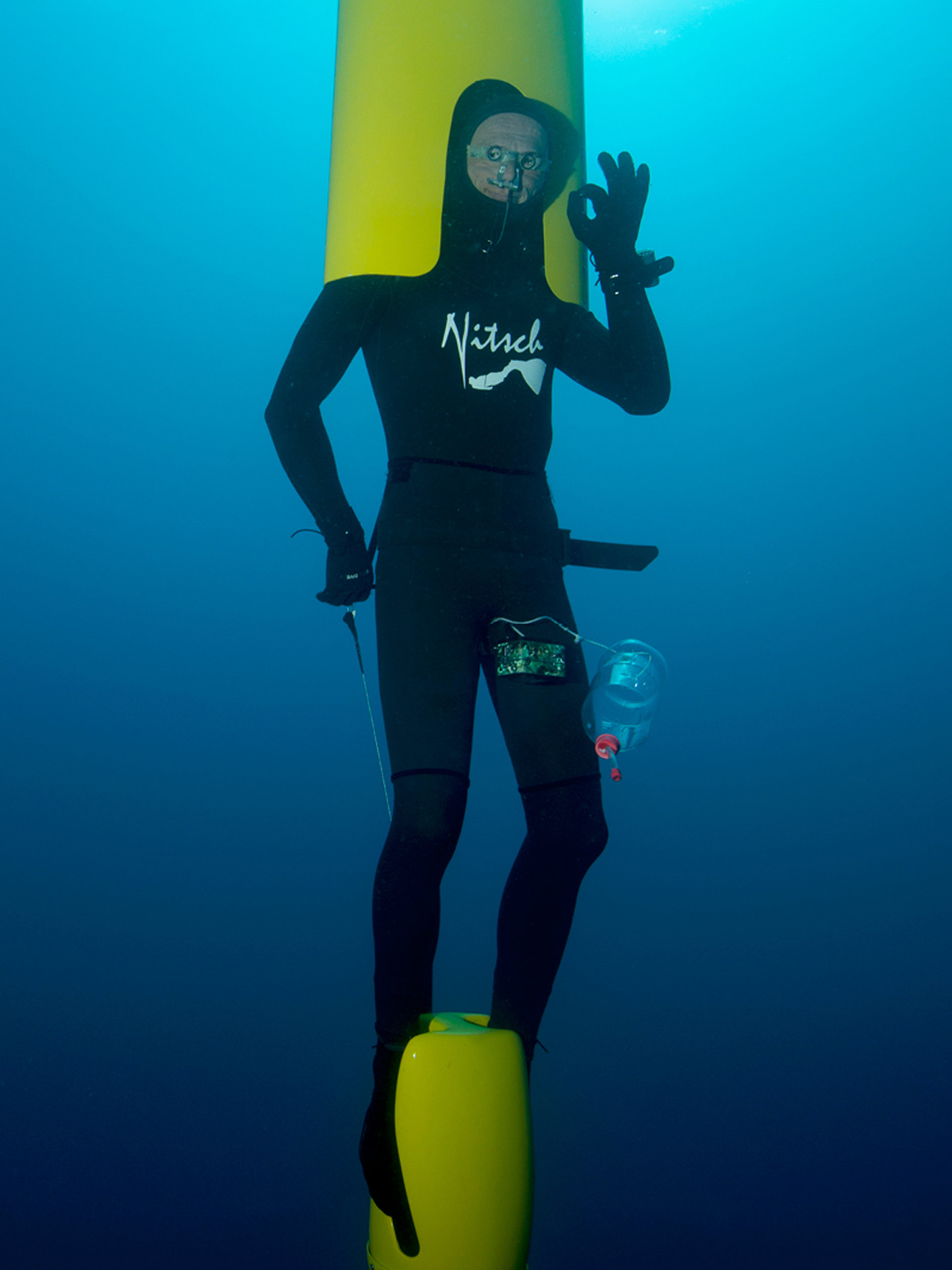
Many athletes who participate in freediving are people who have pushed the boundaries of what the human body can accomplish underwater and have managed to achieve a collection of accolades in the sport. One such athlete is Alexey Molchanov, who is widely considered one of the greatest competitive freedivers of all time, having broken over thirty world records across different disciplines of the sport. Alexey’s mother, Natalia Molchanova, is widely considered a pioneer in the sport, accumulating over forty world records, winning multiple world championship titles before her tragic disappearance during a recreational dive in Spain in 2015. William Trubridge became the first person to dive beyond 100 metres on a single breath without fins, whilst Herbert Nitsch, an Austrian freediver, was able to push boundaries further by achieving the remarkable No Limits depth record of 214 metres (702 feet) in 2007. Beyond the numbers and records, these athletes have helped transform freediving into a global sport, showing the extraordinary combination of discipline, mental strength, physical control and respect for the ocean that lies at its heart.
Freediving is often described as a sport of calmness, focus and connection with the ocean; however, it is not without its dangers. Nicholas Mevoli was an American athlete who tragically died in 2013 after attempting a record dive during the Vertical Blue competition in the Bahamas. The freediving community of Dahab was also deeply affected by the tragic loss of Stephen Keenan, an Irish freediver who had opened a freediving school in the bohemian seaside town, who tragically lost his life whilst saving another freediver in the Blue Hole. Their stories are powerful reminders that although it can be an exhilarating sport, it must be a sport that is engaged in with the correct training and experience.
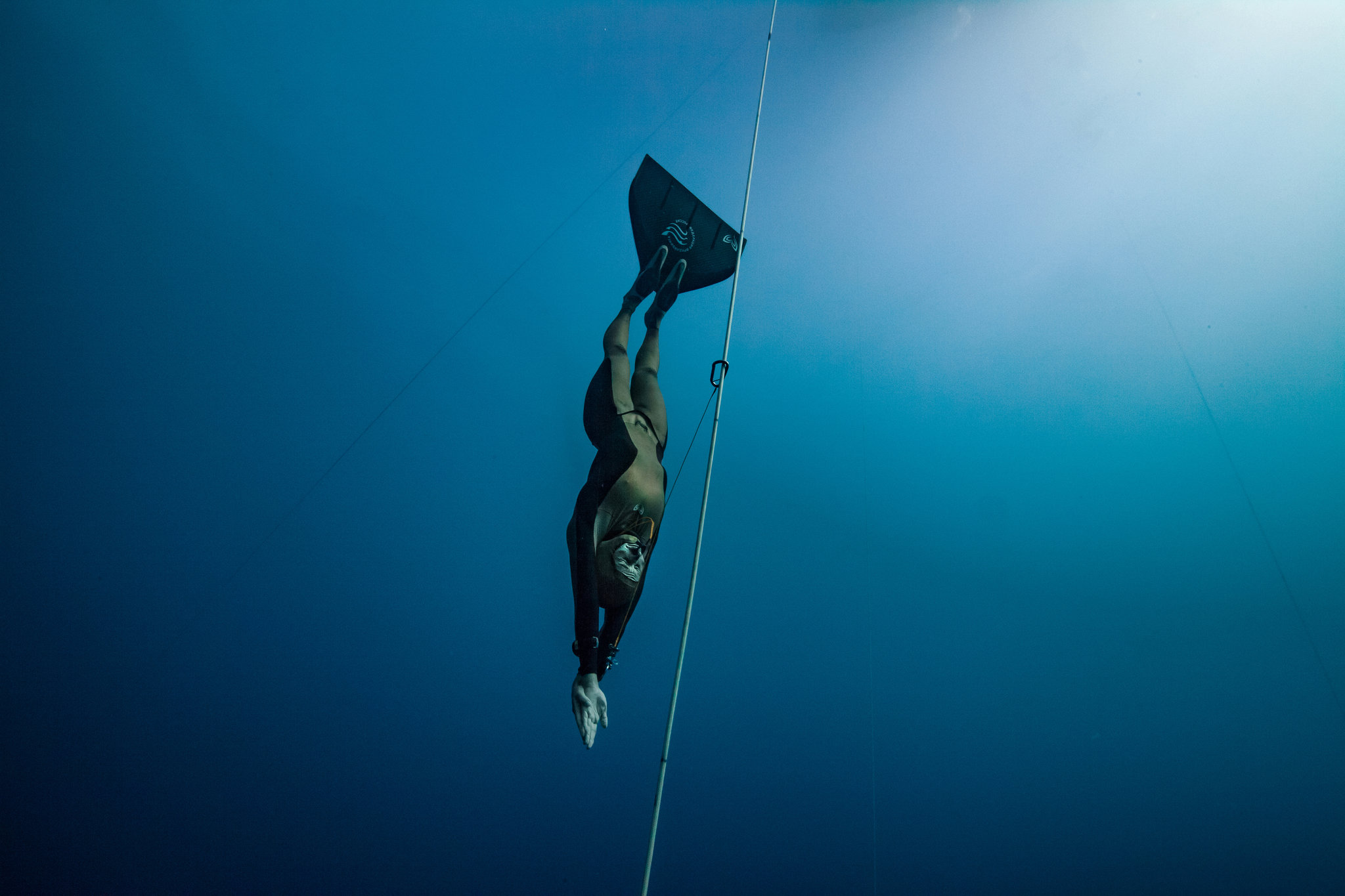
Aside from the thrill of pushing your body to the limits, freediving can have a positive impact on both the mind and the body. The sport teaches divers to slow down, control their breathing and remain calm under pressure, which are the skills that help reduce stress and improve focus in everyday life. Freediving can increase lung efficiency, strengthen the diaphragm and improve cardiovascular fitness. The gentle, low-impact movements make it an enjoyable form of exercise for people of varying fitness levels. The need to stay relaxed and present during every dive encourages mindfulness, patience and self-confidence. Many freedivers describe the experience as nearly meditative, as the silence beneath the surface offers a unique chance to detach from daily distractions and reconnect with nature.
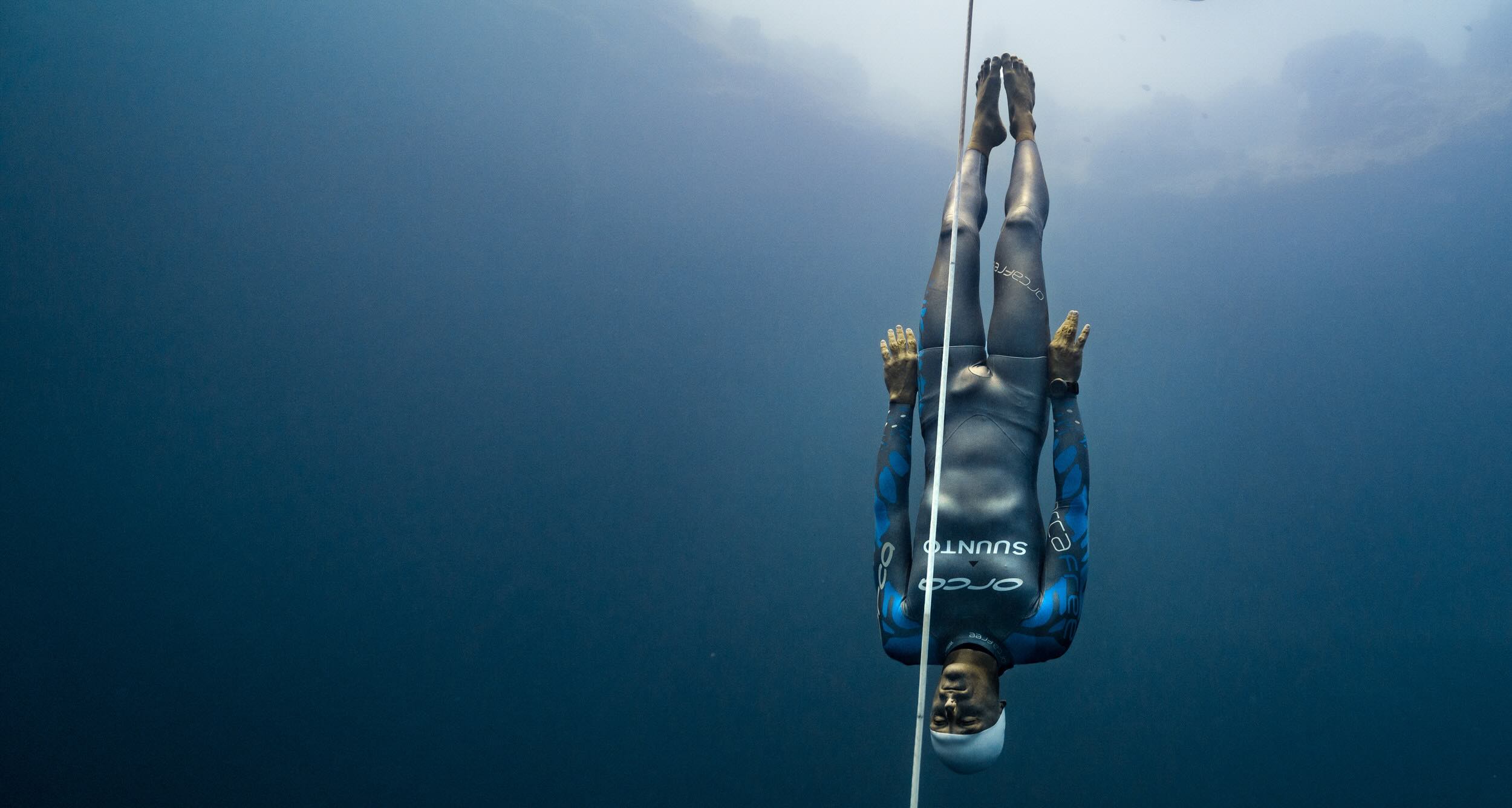
Freediving is far more than a sport; it is a journey of self-discovery that challenges both the body and the mind. Every dive demands patience, discipline and the ability to remain calm in an environment where instinct tells us to do the opposite. For elite athletes, freediving has become a way of exploring the very limits of human potential, setting world records that once seemed impossible. Yet the true spirit of freediving is not about chasing greater depths at any cost; it is about understanding your body, respecting the ocean and knowing when to stop. Whether gliding over a vibrant coral reef in Egypt's Red Sea or training for a personal best, freediving reminds us that our greatest achievements often come not from pushing harder, but from learning to trust ourselves, listen to our bodies and embrace the extraordinary things they are capable of when treated with patience, preparation and respect.
The Most Popular ‘Bandersnatch’ Choices Show We're Not All Complete Monsters
BY: Taylor Hosking
The Most Popular ‘Bandersnatch’ Choices Show We're Not All Complete Monsters
BY: Taylor Hosking
The Most Popular ‘Bandersnatch’ Choices Show We're Not All Complete Monsters
BY: Taylor Hosking
suggestions
-
Water Sports
Freediving in Egypt
Exploring the Red Sea on a Single Breath
-
Water Sports
The Boat Club
Porto Marina to Hosted the First Edition of The Boat Club - Egypt
-
Water Sports
Rolex and the World’s Most Prestigious Regattas
A Natural Alliance Between Time and the Sea
-
Water Sports
Exploring the Red Sea at Night
After Hours Underwater
-
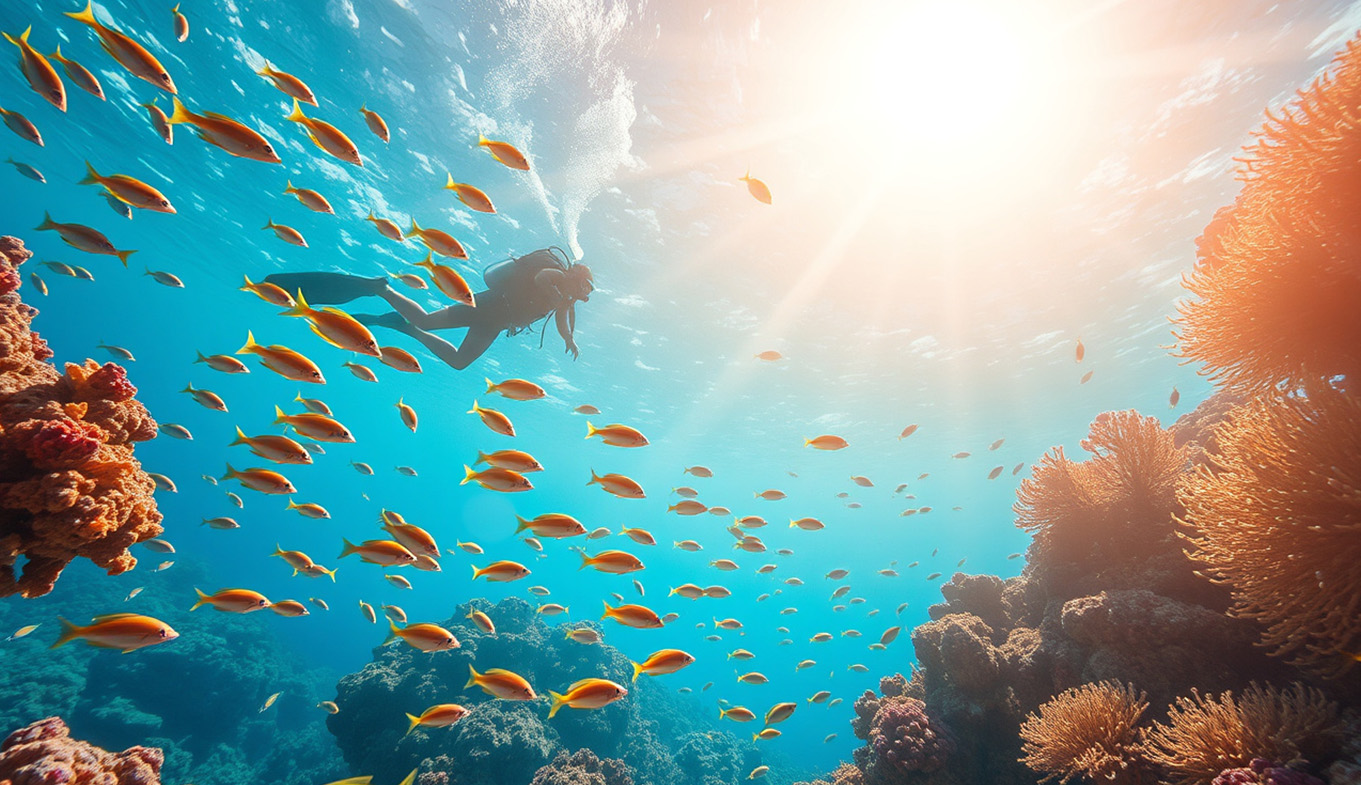
Water Sports
A Diver’s Paradise
Egypt’s Top Diving Destinations
-
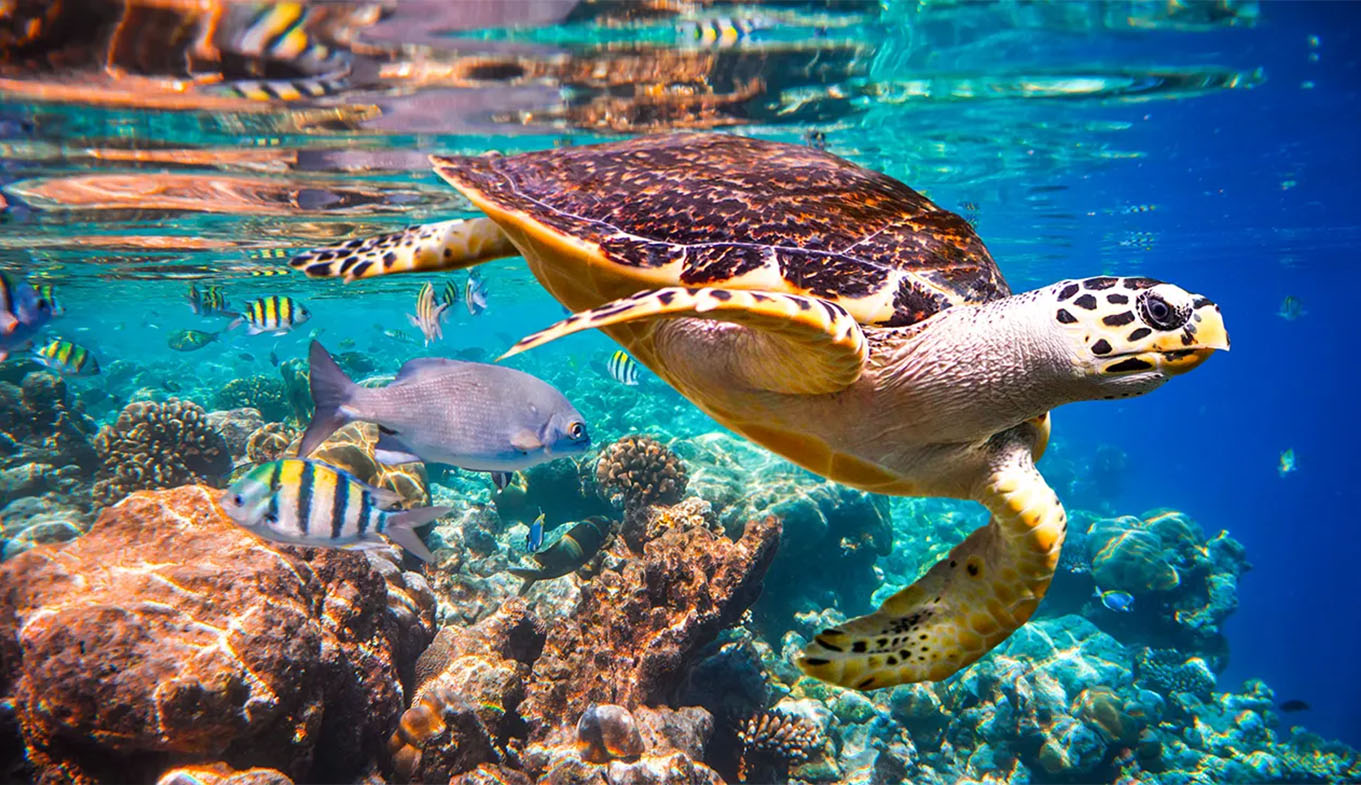
Water Sports
A Fragile Paradise
Endangered Wildlife of the Red Sea
Water Sports
Freediving in Egypt
Exploring the Red Sea on a Single Breath
Water Sports
The Boat Club
Porto Marina to Hosted the First Edition of The Boat Club -
Water Sports
Rolex and the World’s Most Prestigious Regattas
A Natural Alliance Between Time and the Sea
Water Sports
Exploring the Red Sea at Night
After Hours Underwater
Water Sports
A Diver’s Paradise
Egypt’s Top Diving Destinations
Water Sports
A Fragile Paradise
Endangered Wildlife of the Red Sea