February 04, 2026
After Hours Underwater
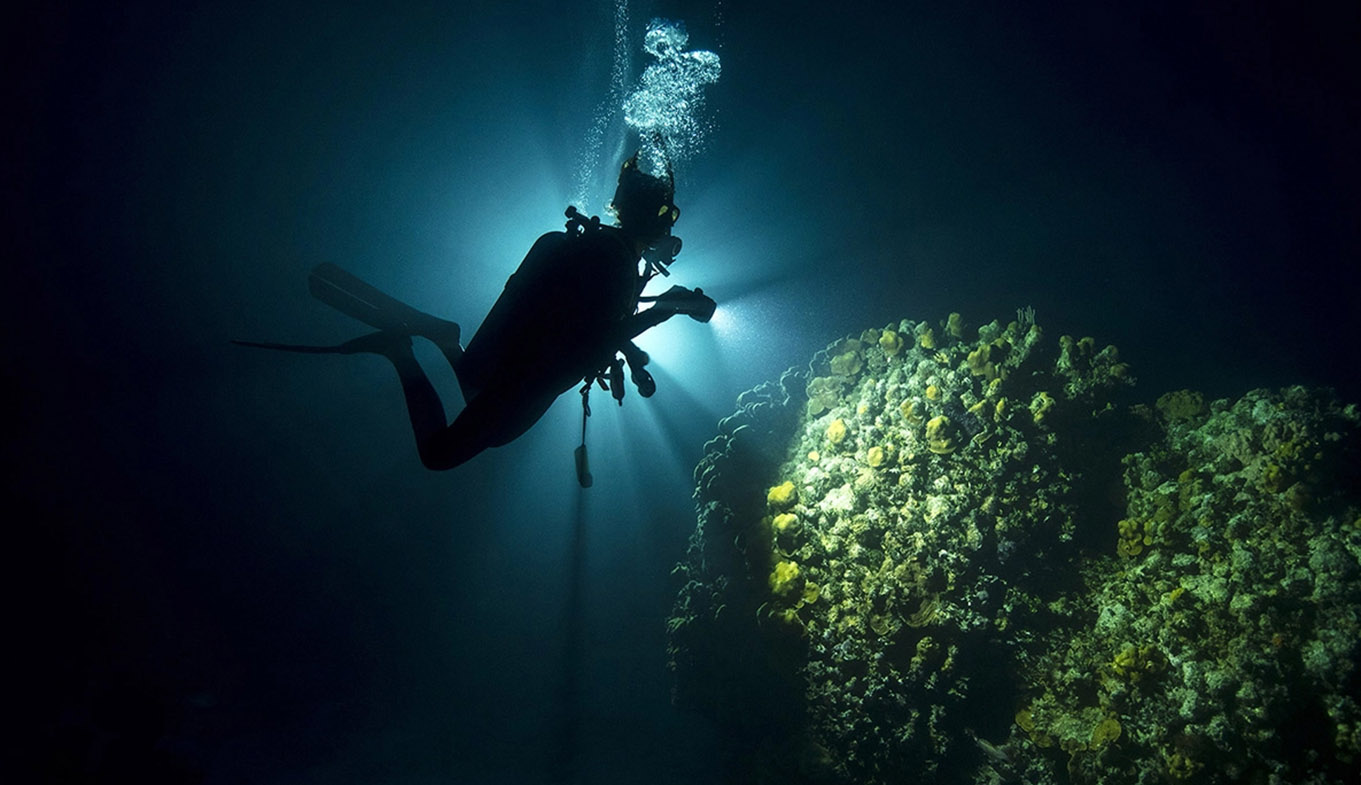
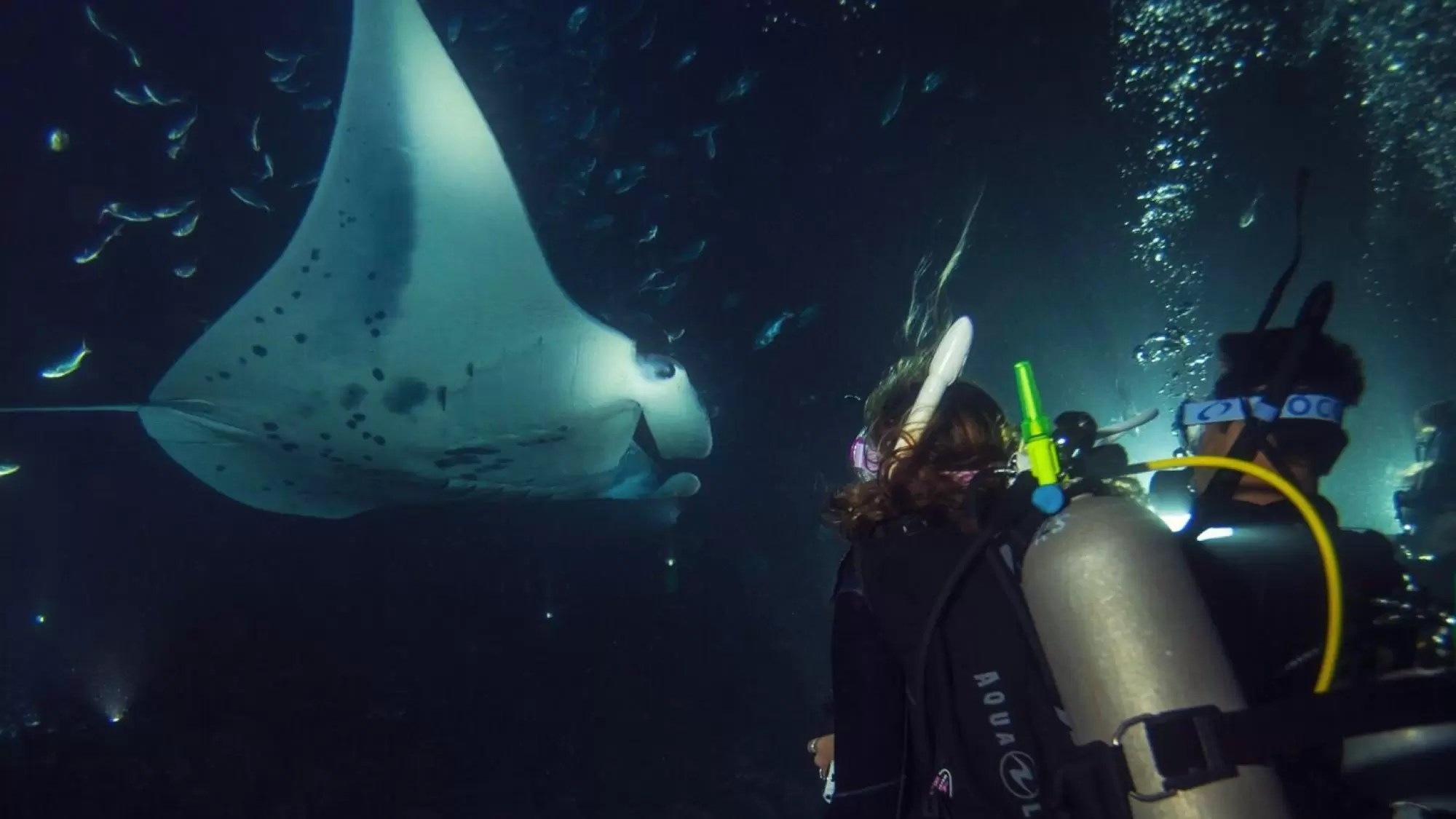
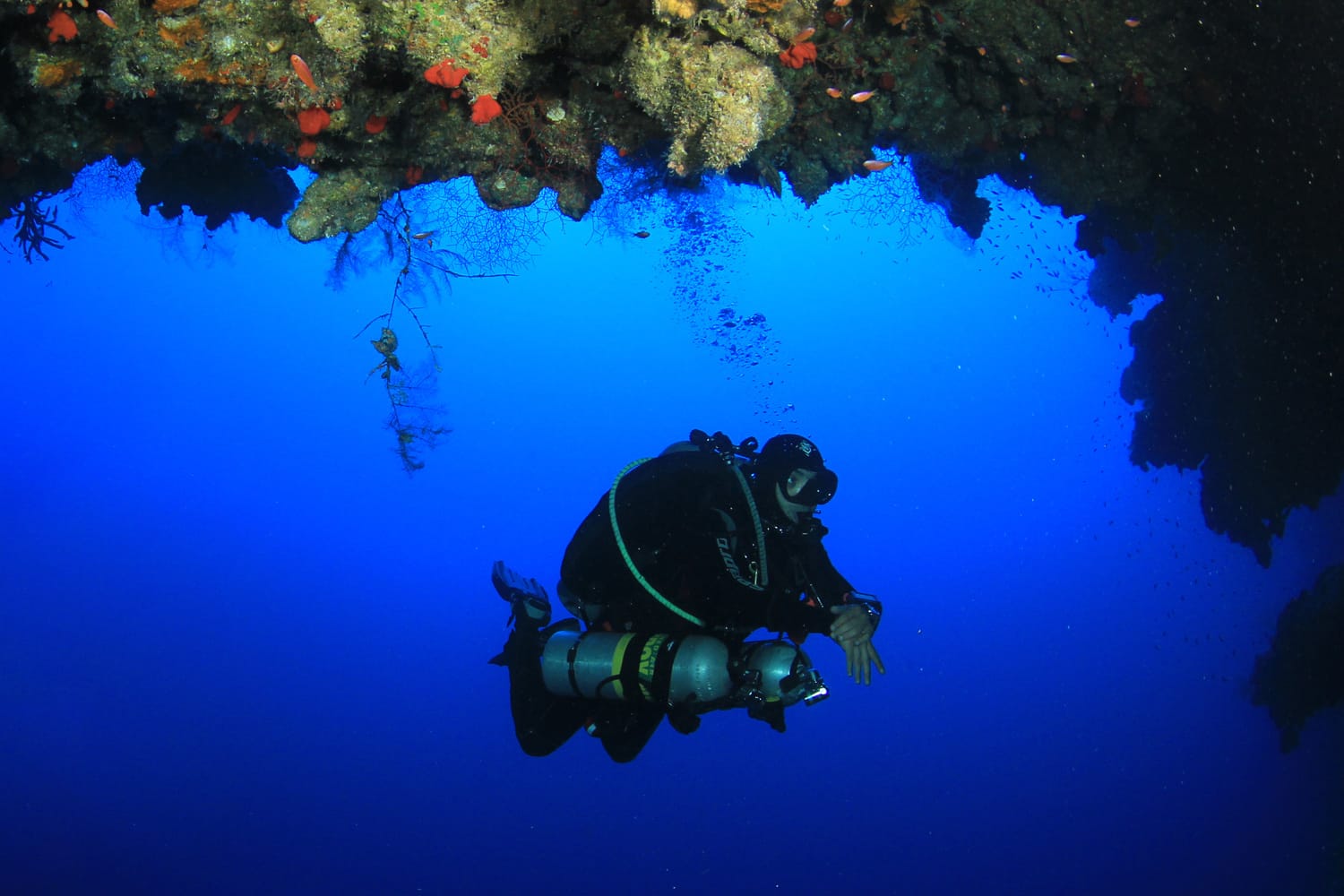
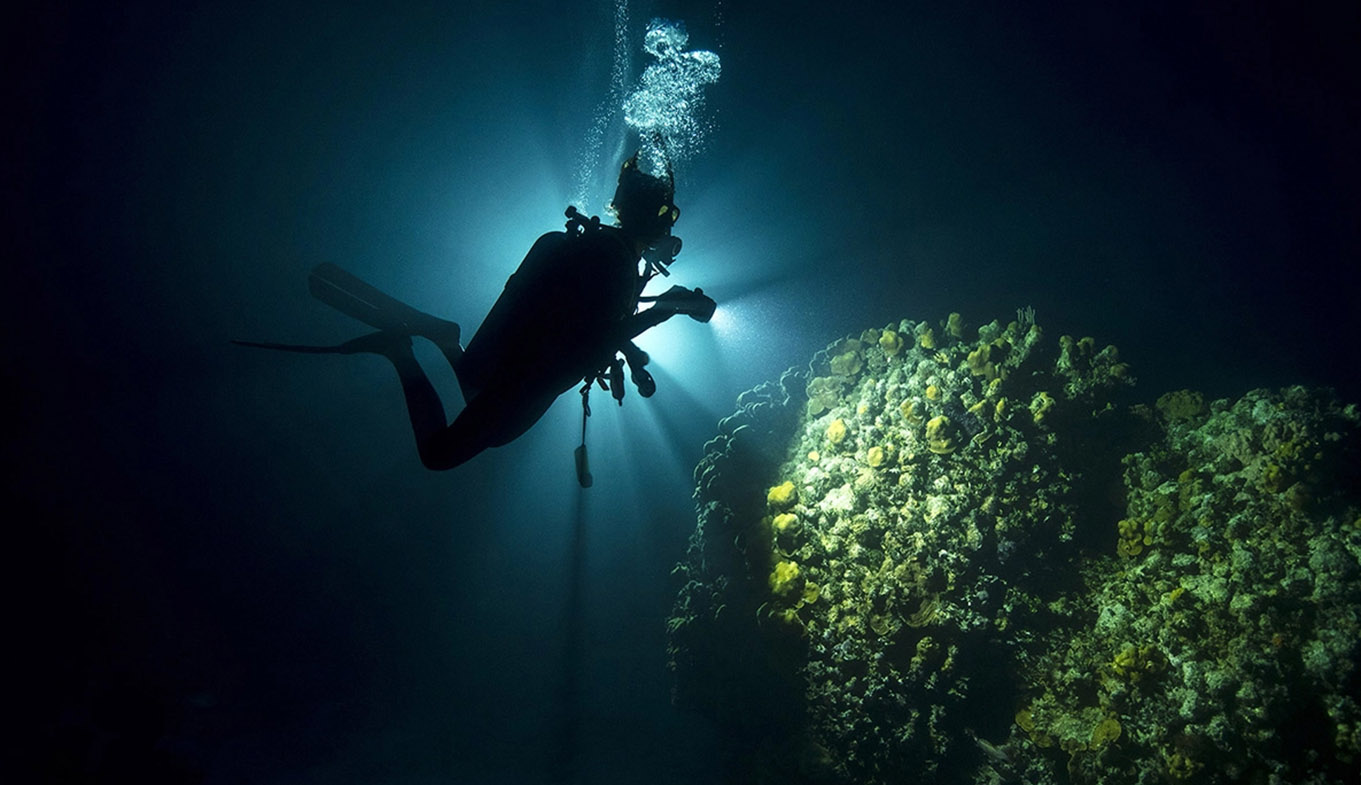
The Red Sea is synonymous with diving, attracting hundreds of thousands of visitors annually from all over the world, ready to explore the depths of the ultramarine waters filled with a remarkable variety of unique marine species. Although day diving is the most popular option, there is a growing number of adventurous thrill seekers who enjoy exploring after dark for an unforgettable experience. Night diving is best suited for certified divers; however, some locations are suited to beginner night divers so that they may also experience this nocturnal adventure. Divers use torches to navigate and communicate with light signals, ensuring they can safely orient themselves in the dark. Underwater explorers are expected to have excellent buoyancy control to avoid damaging reefs in low light, and exceptional navigation skills are also a must due to limited visibility in the dark. So, what is the appeal of night diving? Well, some species become active during the night, for example, flashlight fish, a rare species with light-producing organs near their eyes, as well as a range of molluscs and shellfish with unique features that can only be witnessed under the darkness of the night sky. Popular night diving destinations include Sharm El Sheikh, Hurghada, Dahab and Marsa Alam, with plenty of diving tour operators organising tours for those interested in partaking in this unique diving experience.
Night diving opportunities for beginners to the more experienced
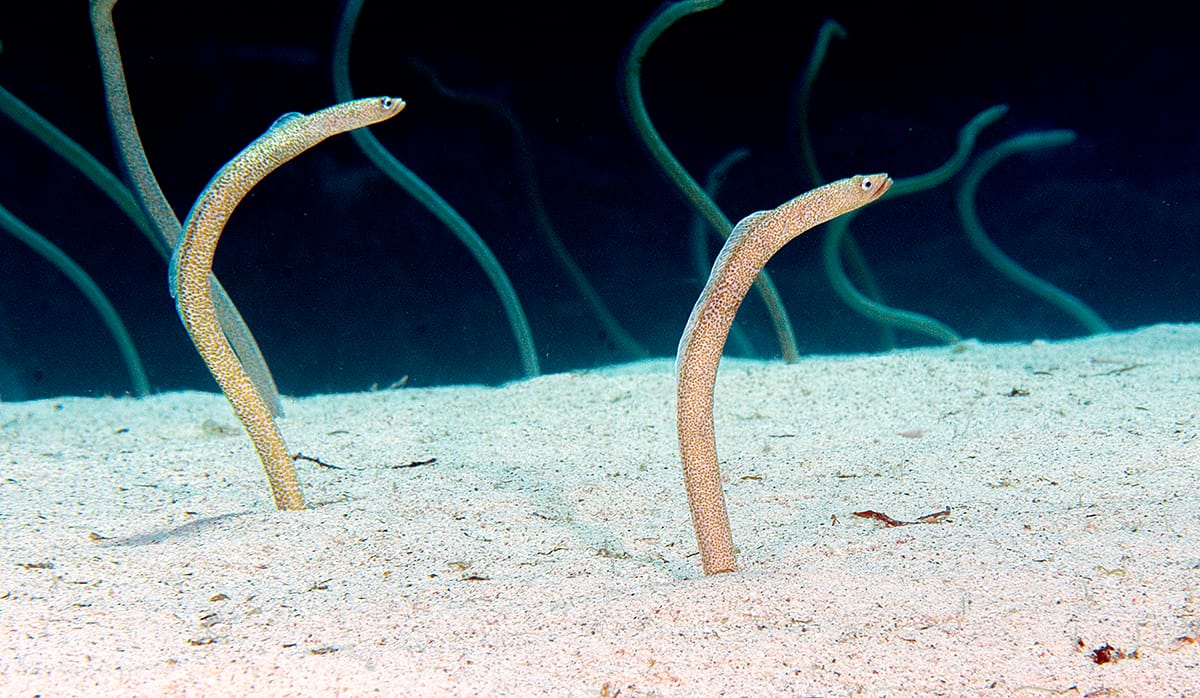
The Lighthouse is a popular dive site located in Dahab, perfect for beginner night divers. With its easy entry and exit points, divers of all experience levels can observe species that only appear once darkness falls, such as Spanish dancers, bright red nudibranchs that elegantly sway within the waters. Another common night dive site in Dahab, situated around 1.5 km from the Lighthouse, is Eel Garden, which is home to hundreds of eels and is suitable for both beginner and intermediate divers. Here you can observe corals opening their polyps to feed at night, as well as crabs and shrimps whose eyes glow in the dark when illuminated by torchlight. One of the most renowned dive sites in the Red Sea is the Blue Hole, famed amongst diving specialists globally and known for its deep and dramatic underwater scenery with maximum depths of around 100 metres. Due to the nature of the site, it is a location where divers can earn a Night Diver Speciality course as well as a Deep Diver Speciality course and is recommended for those who have a more advanced experience within diving.
Spot rare species and be in awe of nature’s biological glowstick.
Kush Kashkhar, located in the Straits of Tiran near Sharm El Sheikh and easily accessible by boat, is a well-known night dive site made up of pillars and towers covered in soft corals, which appear vividly under torchlight. Under the darkness of the night sky, divers can spot many species, such as bioluminescent plankton - an almost magical phenomenon – as well as schools of silver sweepers, with movements resembling liquid silver. The rare and endangered sea dugong can be spotted in The Pinnacles, a location suited to the more experienced diver, as the strong winds can push divers off course and make it difficult for them to navigate their way around.
Underwater history at night
The El-Mina Wreck, situated near Hurghada, is a sunken Egyptian minesweeper and is now heavily encrusted by hard and soft corals and sponges, turning a wartime catastrophe into a thriving ecosystem. This fascinating wreck’s shallowest part is located between 18 and 25 meters, whereas the deepest point reaches around 32 meters below the surface of the water. This means it is only suitable for advanced divers who are Advanced Open Water certified (or equivalent), ensuring they possess the experience required to dive to these depths.
The Bluff Point dive site, also known as Gubal Barge, is located near the small island of Gubal, near Hurghada and is a renowned spot widely considered as one of the best night dives in the Red Sea. This dive site comes alive at night with cuttlefish and octopuses being nocturnal visitors alongside shrimps, crabs and moray eels. Most excursions operate over multi-day liveaboards from nearby locations such as Hurghada or Sharm El Sheikh. Although the dive site lies in shallow waters, strong currents can affect the possibility of diving at this location, and divers must have achieved a certification as a certified Night Diver to ensure they have the relevant experience to orientate the region.
Night diving – a unique adventure in the darkness
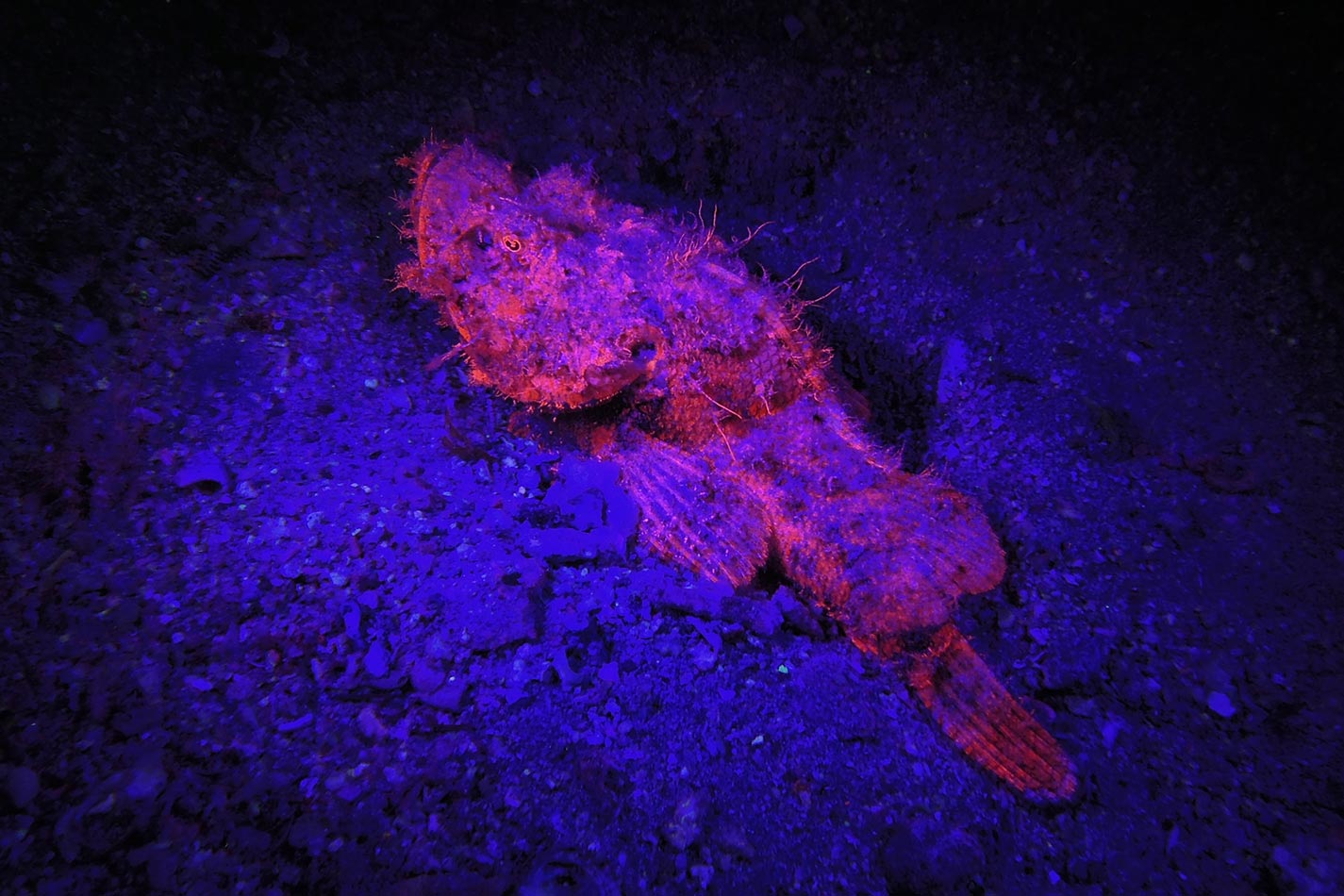
For those seeking a less crowded, more tranquil environment, night diving offers a calmer, more intimate experience. At night, familiar dive sites take on a whole new character, offering unforgettable experiences and the chance to enjoy longer, shallow dives. Divers can increase their confidence through enhancing buoyancy control, underwater navigation and communication with their diving companions. The darkness adds excitement and a feeling of exploration that offers a charm entirely different to daytime diving. The use of torchlight enhances both colours and fine details, which is particularly rewarding for underwater photography, perfect for capturing marine life and vivid imagery. The next time you decide to dive into Egypt’s renowned Red Sea, consider joining a multi-day excursion where you can dive after hours to witness marine life like you have never seen before. In these nocturnal waters, you can explore an underwater world which will create memories lasting a lifetime.
The Most Popular ‘Bandersnatch’ Choices Show We're Not All Complete Monsters
BY: Taylor Hosking
The Most Popular ‘Bandersnatch’ Choices Show We're Not All Complete Monsters
BY: Taylor Hosking
The Most Popular ‘Bandersnatch’ Choices Show We're Not All Complete Monsters
BY: Taylor Hosking
suggestions
-
Water Sports
Freediving in Egypt
Exploring the Red Sea on a Single Breath
-
Water Sports
The Boat Club
Porto Marina to Hosted the First Edition of The Boat Club - Egypt
-
Water Sports
Rolex and the World’s Most Prestigious Regattas
A Natural Alliance Between Time and the Sea
-
Water Sports
Exploring the Red Sea at Night
After Hours Underwater
-
Water Sports
A Diver’s Paradise
Egypt’s Top Diving Destinations
-
Water Sports
A Fragile Paradise
Endangered Wildlife of the Red Sea
Water Sports
Freediving in Egypt
Exploring the Red Sea on a Single Breath
Water Sports
The Boat Club
Porto Marina to Hosted the First Edition of The Boat Club -
Water Sports
Rolex and the World’s Most Prestigious Regattas
A Natural Alliance Between Time and the Sea
Water Sports
Exploring the Red Sea at Night
After Hours Underwater
Water Sports
A Diver’s Paradise
Egypt’s Top Diving Destinations
Water Sports
A Fragile Paradise
Endangered Wildlife of the Red Sea