June 08, 2026
A Legacy of Prestige, Vision and Excellence at the Hassan II Trophy
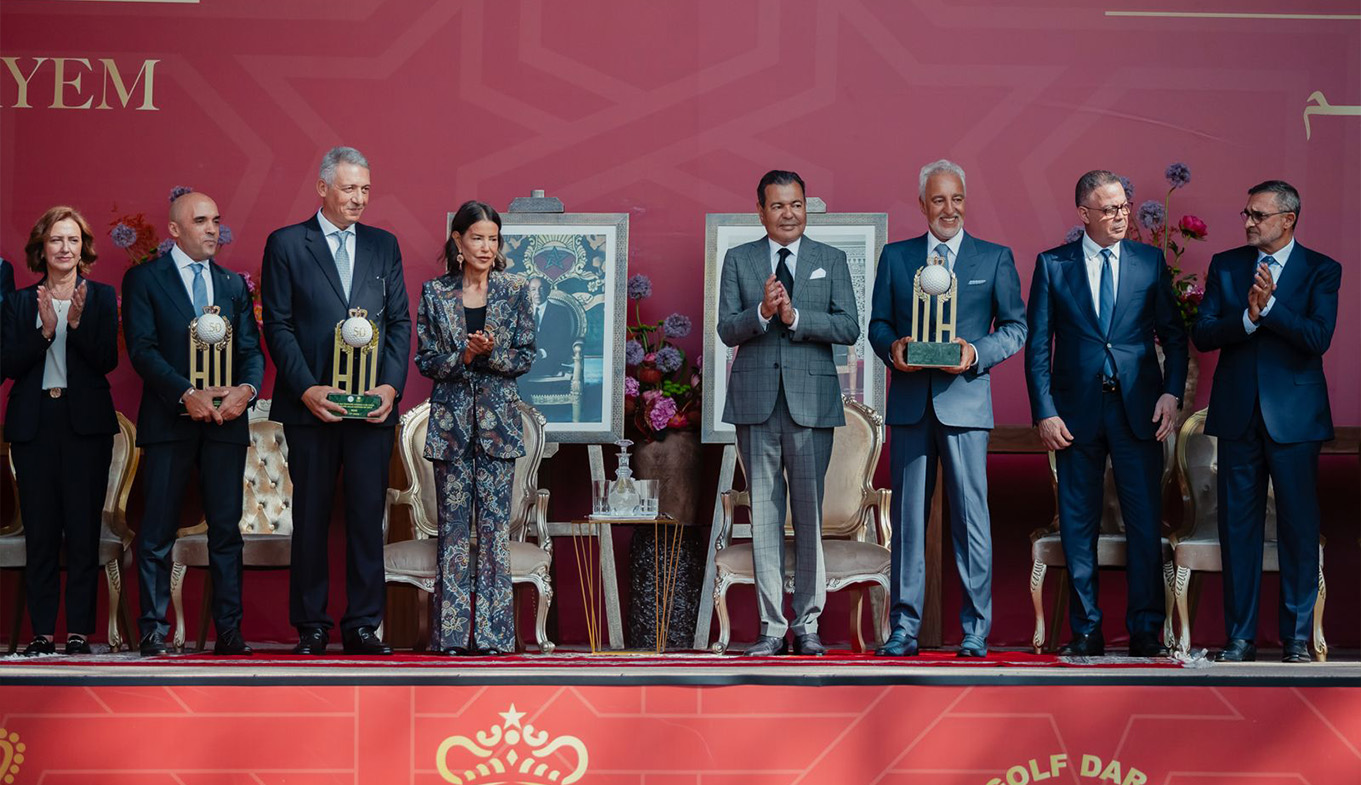
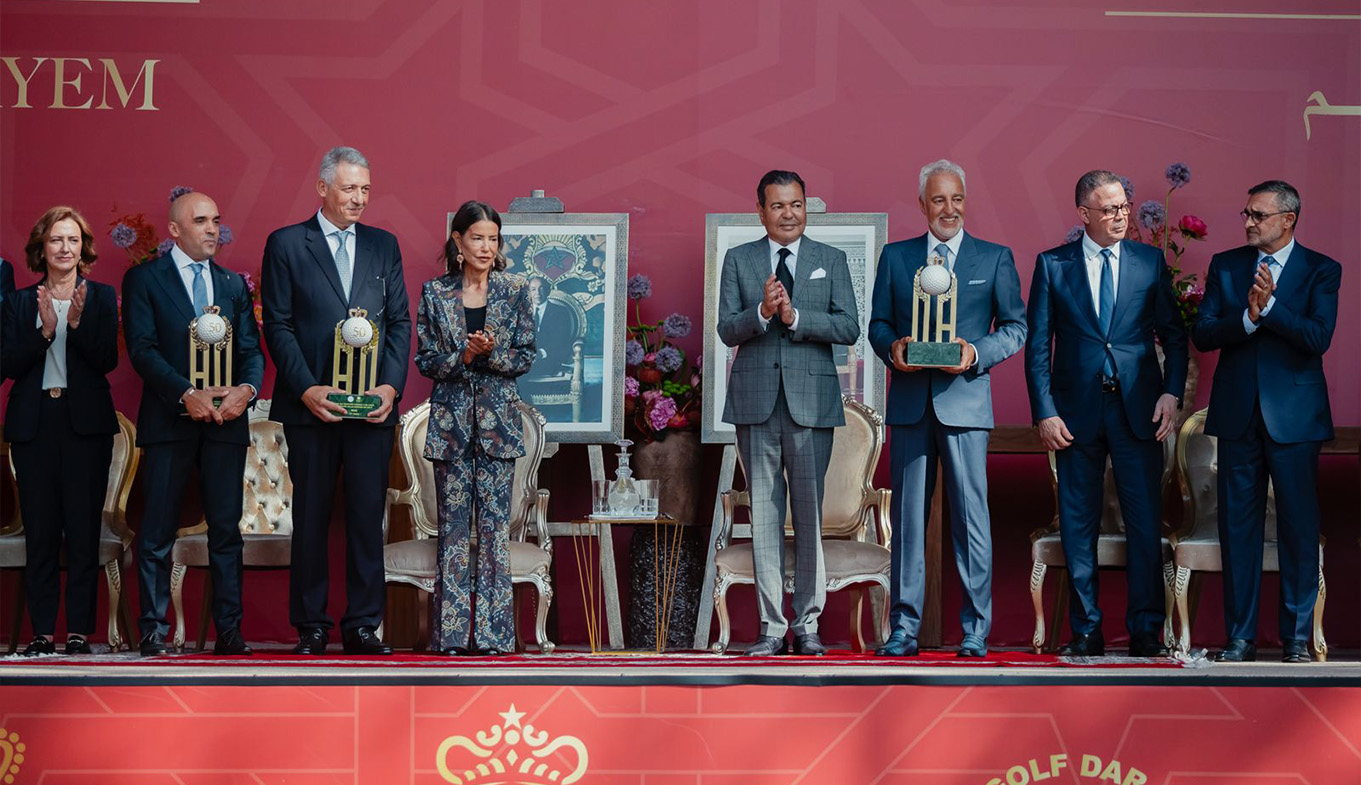
This year, the international golfing community turned its eyes to Rabat as Morocco celebrated a landmark occasion: the 50th edition of the Hassan II Golf Trophy, alongside the 29th edition of the Lalla Meryem Cup.
Held under His Majesty King Mohammed VI and the Effective Presidency of His Royal Highness Prince Moulay Rachid, this historic milestone at Royal Golf Dar Es Salam represented far more than a sporting celebration. It was a tribute to more than five decades of royal vision, continuity, and Morocco’s remarkable rise as one of the world’s most distinguished golfing destinations.
Golf in Morocco has deep roots dating back more than a century, but the modern era of Moroccan golf began in 1971, when King Hassan II, a passionate advocate of the game, envisioned a tournament that would position Morocco firmly on the international sporting stage. His ambition was clear: to use golf not only as a competitive sport but as a powerful platform for promoting Morocco’s culture, hospitality, and international openness.
That vision materialised with the creation of Royal Golf Dar Es Salam in Rabat, designed by legendary architect Robert Trent Jones Sr. Nestled within a magnificent cork oak forest, the venue quickly became one of golf’s most iconic settings.
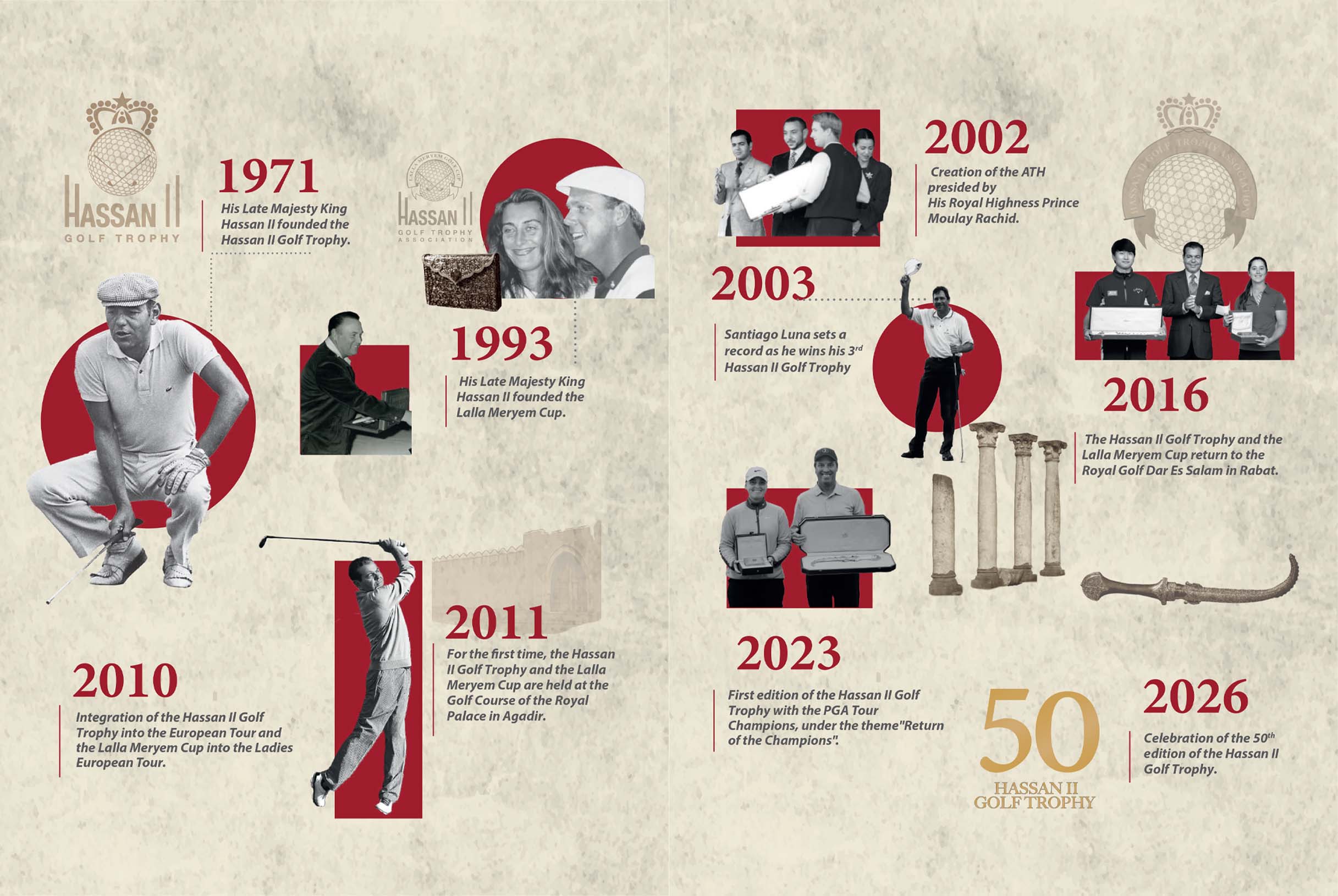
The inaugural Hassan II Golf Trophy was held in December 1971, immediately establishing itself as an event of global stature when Orville Moody, winner of the 1969 U.S. Open, captured the first title. It marked the beginning of a legacy that would attract many of golf’s greatest names.
Over the decades, the tournament’s roll of honour has reflected its prestige. Champions such as Billy Casper, Lee Trevino, Vijay Singh, Payne Stewart, Nick Price, Colin Montgomerie, Pádraig Harrington, and Ernie Els have all etched their names into its storied history.
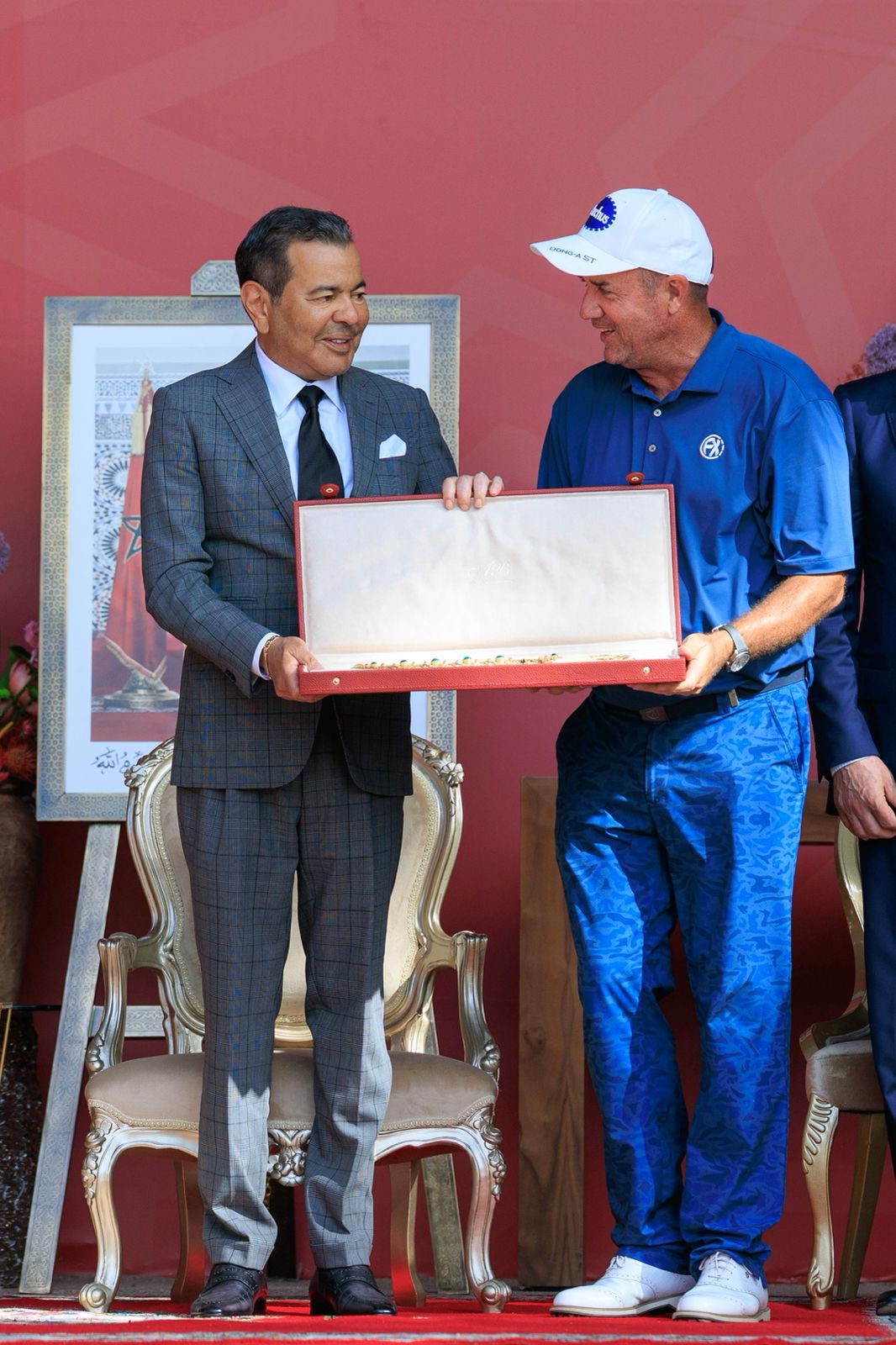
Among the tournament’s most distinctive traditions is its iconic prize: the Khanjar, a ceremonial Moroccan dagger personally selected by King Hassan II. Handcrafted annually by master Moroccan artisans and adorned with precious stones, it remains one of the most unique trophies in world golf, a symbol of nobility, elegance, and enduring heritage.
A defining moment came in 1993 with the creation of the Lalla Meryem Cup, founded by King Hassan II as a women’s counterpart to the men’s championship. Held during the same week and at the same venue, it established Morocco as a pioneer of co-hosted elite men’s and women’s professional golf events.
Today, the Lalla Meryem Cup is one of the flagship events on the Ladies European Tour calendar, having welcomed stars such as Laura Davies, Annika Sörenstam, and Charley Hull.
The tournament entered a new era in 2002 with the creation of the Hassan II Golf Trophy Association, chaired by Prince Moulay Rachid, ensuring both the preservation of tradition and continued international evolution.
That evolution accelerated further in 2018, when Prince Moulay Rachid assumed the presidency of the Royal Moroccan Golf Federation, ushering in a new chapter focused on youth development, infrastructure modernisation, elite performance pathways, and Morocco’s growing influence on the global golfing map.
The 50th anniversary edition delivered drama worthy of its historic significance.
On the demanding Red Course, Scott Hend produced a memorable finish, carding 15-under-par and sealing victory with a birdie on the 72nd hole to become the first Australian to lift the coveted Khanjar.
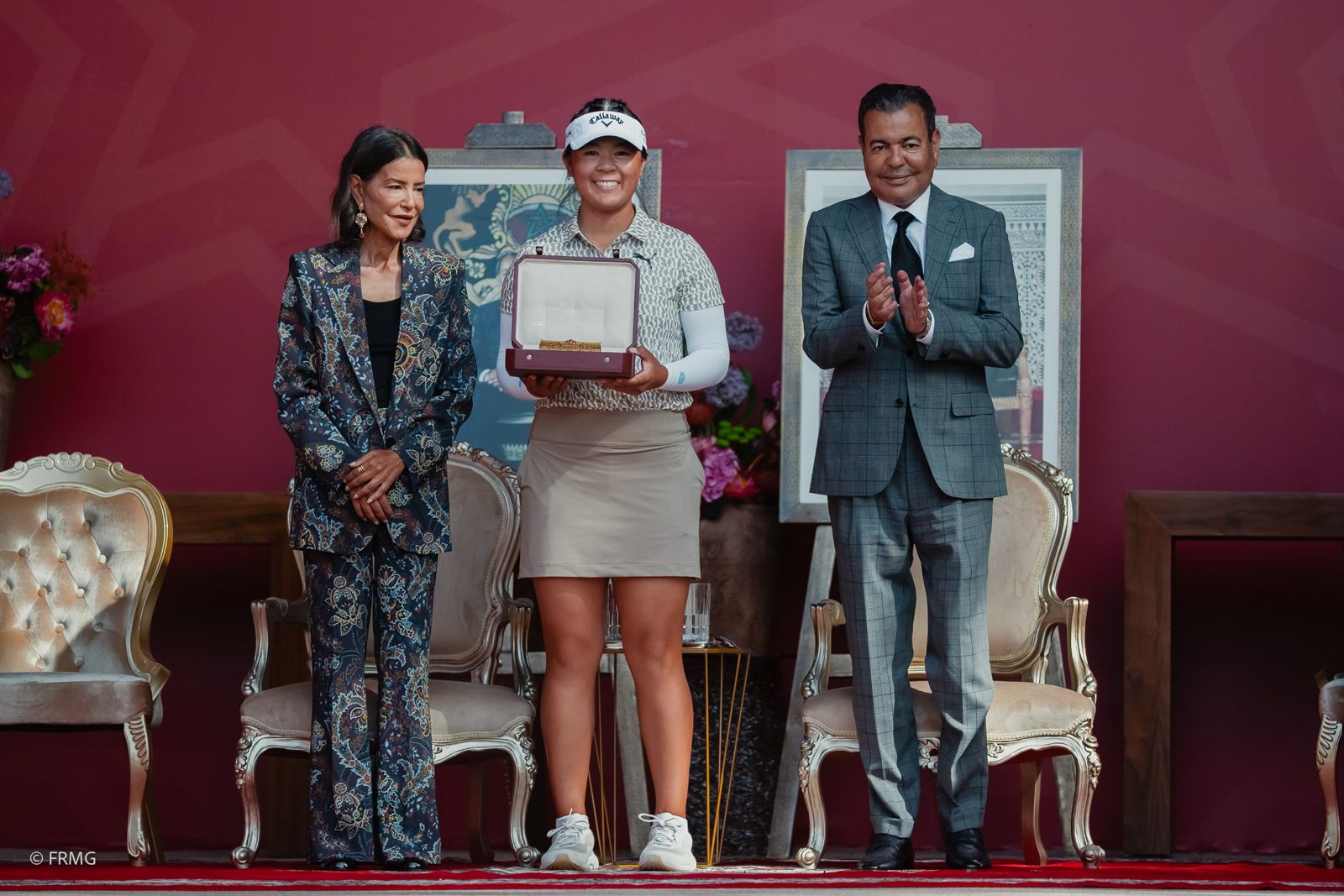
Simultaneously, on the Blue Course, Anna Huang made history by finishing at 14-under-par, becoming the first Canadian champion of the Lalla Meryem Cup.
Moroccan golf also had much to celebrate. Among the home contingent, Maha Haddioui delivered a strong performance to finish even par, while rising amateur Rim Imni gained invaluable international experience. Their performances stand as evidence of Morocco’s growing success in nurturing local talent and building a sustainable competitive pathway for future generations.
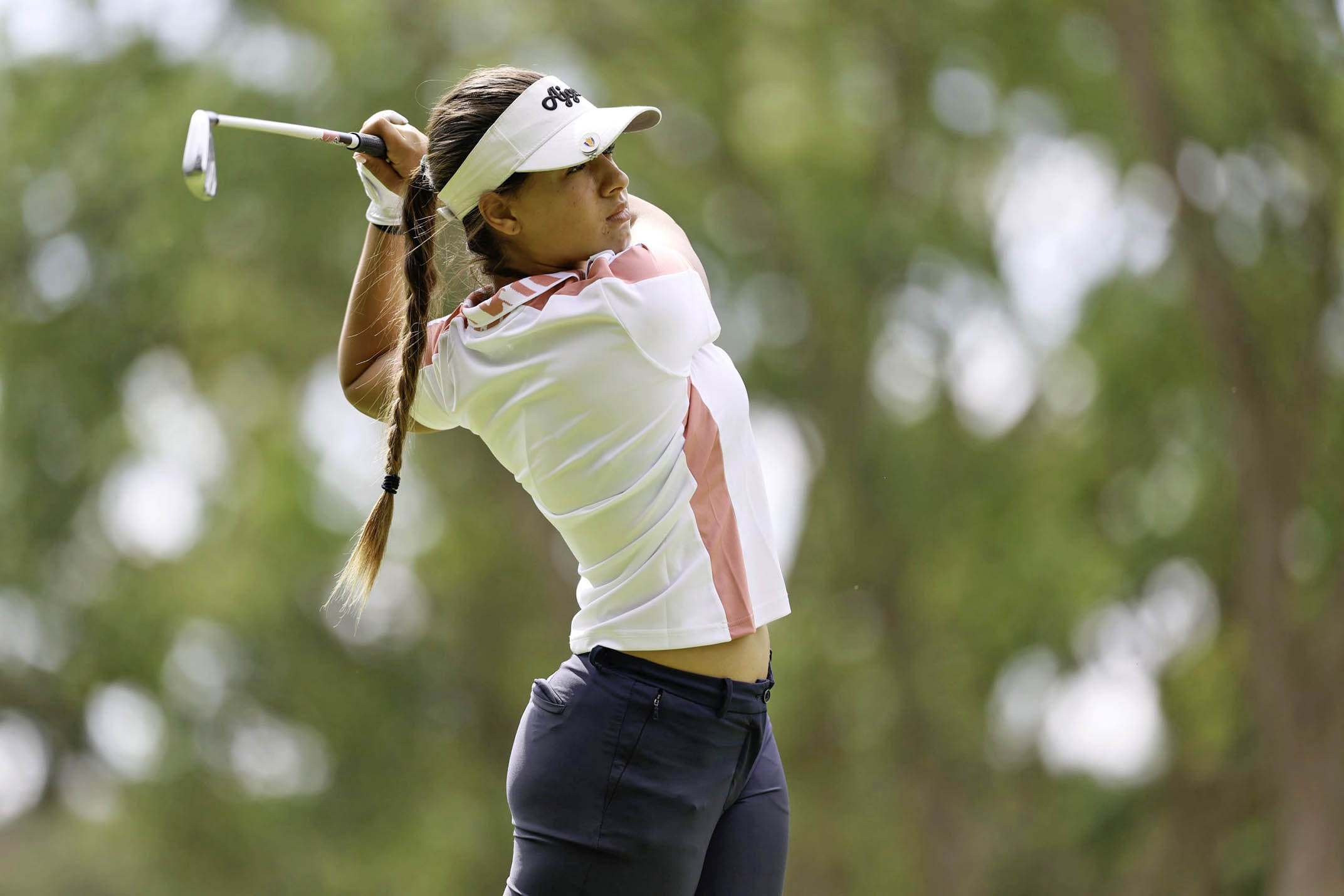
The week concluded with a prestigious awards ceremony presided over by Prince Moulay Rachid and Princess Lalla Meryem, but perhaps the tournament’s greatest triumph was its accessibility and broader cultural impact.
With free public admission, a vibrant tournament village, and youth initiatives such as the Hassan II Kids Cup by First Tee, the event once again demonstrated Morocco’s commitment to sharing golf’s core values: discipline, respect, perseverance, and excellence, with the next generation.
Fifty editions after its inception, the Hassan II Golf Trophy stands as one of international golf’s great constants: a tournament rooted in royal vision, elevated by tradition, and continually renewed through innovation.
Morocco has not merely hosted a tournament for half a century; it has built a lasting model of golfing excellence that continues to inspire the world.
THE KHANJAR
A Symbol of Excellence and Character
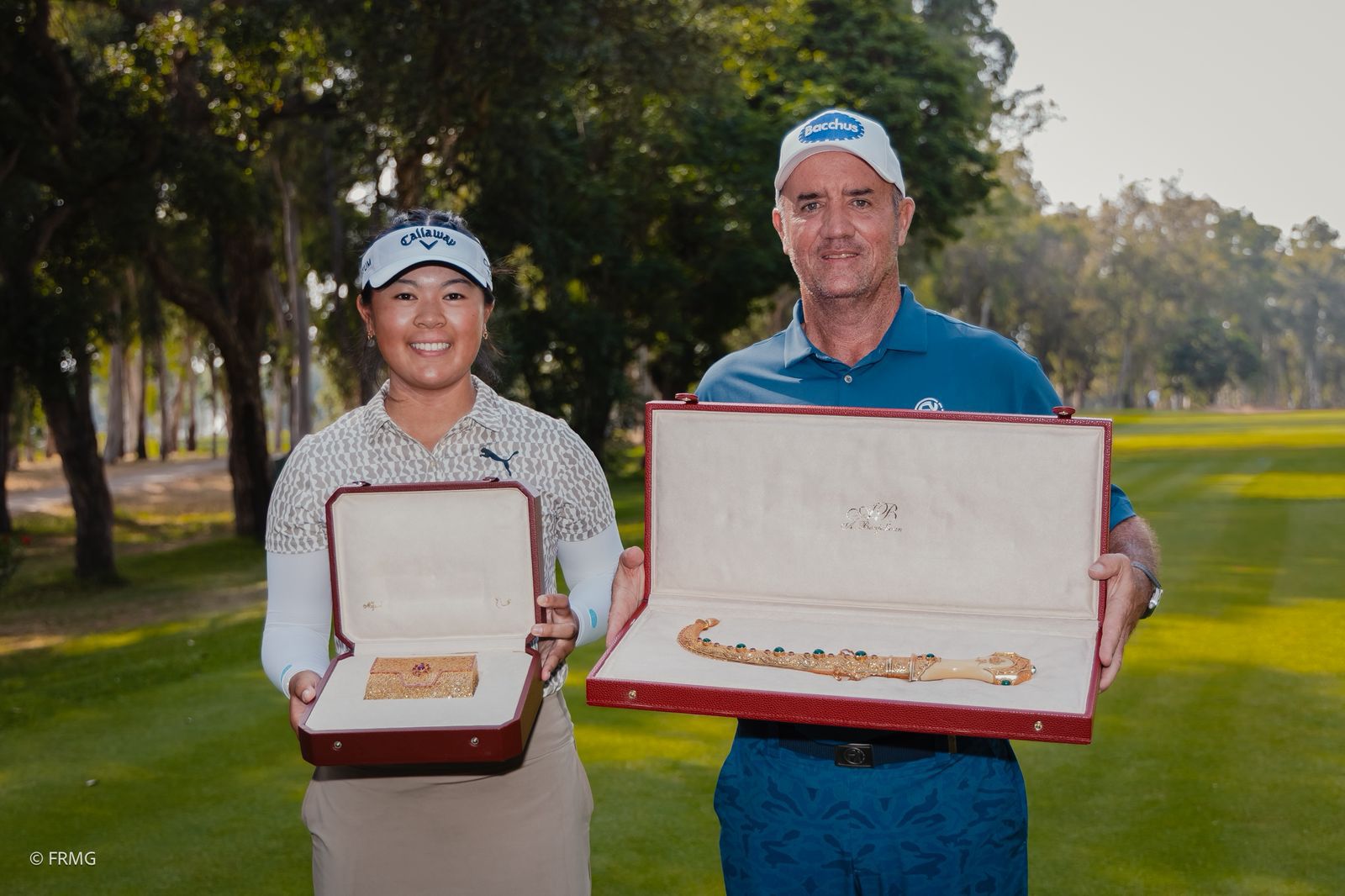
The winner of the Hassan II Trophy is awarded one of the most distinctive prizes in world golf: The Khanjar.
This gold dagger, with its slender silhouette and delicate setting of precious stones, was personally chosen by His Late Majesty King Hassan II. Since then, master Moroccan artisans have perpetuated this exceptional craftsmanship, shaping a trophy that embodies elegance, nobility and character.
More than an award, the Khanjar is a symbol of honour, a precious testament to victory and a reflection of Morocco’s rich artistic heritage.
The Most Popular ‘Bandersnatch’ Choices Show We're Not All Complete Monsters
BY: Taylor Hosking
The Most Popular ‘Bandersnatch’ Choices Show We're Not All Complete Monsters
BY: Taylor Hosking
The Most Popular ‘Bandersnatch’ Choices Show We're Not All Complete Monsters
BY: Taylor Hosking
suggestions
-

Golf
Omar H. Talaat Moustafa
An Exclusive Interview with the President of the Egyptian Golf Federation
-
Golf
The Egyptian Golf Series
Mohamed Anwar Explains a New Era for Golf in Egypt
-
Golf
Inside the PGA Championship
Power, Pressure, Prestige
-
Golf
The Golden Jubilee of Moroccan Golf
A Legacy of Prestige, Vision and Excellence at the Hassan II Trophy
-

Golf
Beyond the Fairway
Unpacking the Golf Sports Ecosystem and High-Potential Avenues for Modern Startups”
-
Golf
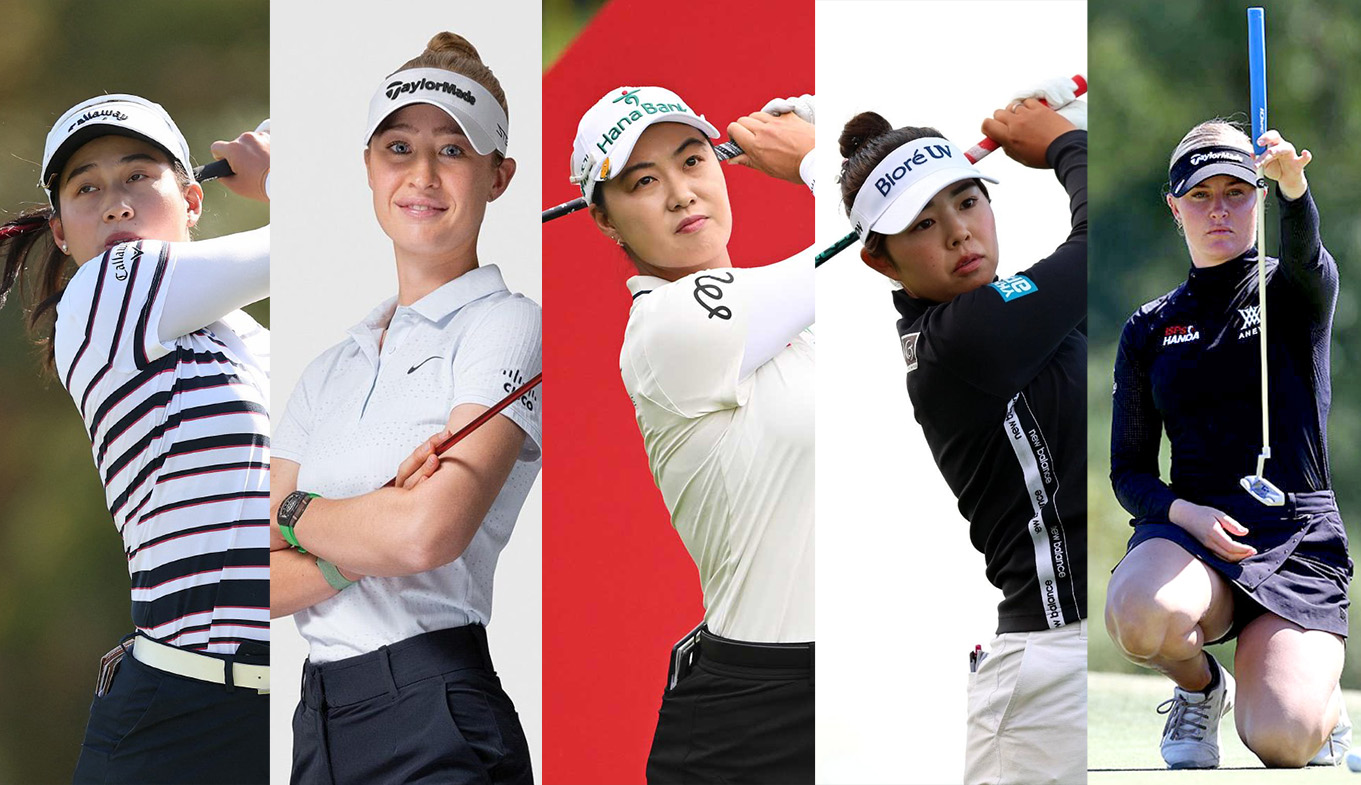
The Top 5 Women’s Golfers 2026
From Thitikul’s poise to Korda’s power, the five players who define the pinnacle of the women’s game
Golf
Omar H. Talaat Moustafa
An Exclusive Interview with the President of the Egyptia
Golf
The Egyptian Golf Series
Mohamed Anwar Explains a New Era for Golf in Egypt
Golf
Inside the PGA Championship
Power, Pressure, Prestige
Golf
The Golden Jubilee of Moroccan Golf
A Legacy of Prestige, Vision and Excellence at the Hassan II
Golf
Beyond the Fairway
Unpacking the Golf Sports Ecosystem and High-Potential Avenu...
Golf
The Top 5 Women’s Golfers 2026
From Thitikul’s poise to Korda’s power, the five players who...