
August 16, 2026
How Football Manager Became Football's Unofficial Academy
For nearly three decades, a piece of software originally built for bedroom hobbyists has quietly reshaped how professional football is coached, scouted, and understood. Football Manager and its predecessor, Championship Manager, began as a niche simulation for fans who wanted to test their tactical instincts from an armchair. Today, it is more of an unofficial academy. A growing number of coaches working in professional football, from non-league dugouts to Ligue 1 touchlines, point to the game as the spark that set their careers in motion. Understanding why requires looking at both the culture the game created and the very real skills it teaches.
A Game Built on Real Football Logic
Football Manager, developed by Sports Interactive, has always distinguished itself from arcade-style football video games by refusing to let players control the action on the pitch. Instead, users build a squad, design a philosophy, manage egos, negotiate transfers, and set tactical instructions, then watch the consequences play out. That structural choice is what separates it from something like FIFA or EA Sports FC. It is not really a football game in the traditional sense; it is a management simulation that uses football as its subject matter.
This distinction matters enormously when explaining its influence on real coaches. Where a striking game teaches reflexes, Football Manager teaches decision-making under constraint; how to set a team up against a stronger opponent, how to manage a dressing room with clashing personalities, how to balance a wage budget, and how to read a database of thousands of players to find value nobody else has spotted. These are precisely the skills a modern coach or sporting director needs, minus the pressure of an actual dressing room.
The Coaches Who Credit the Game
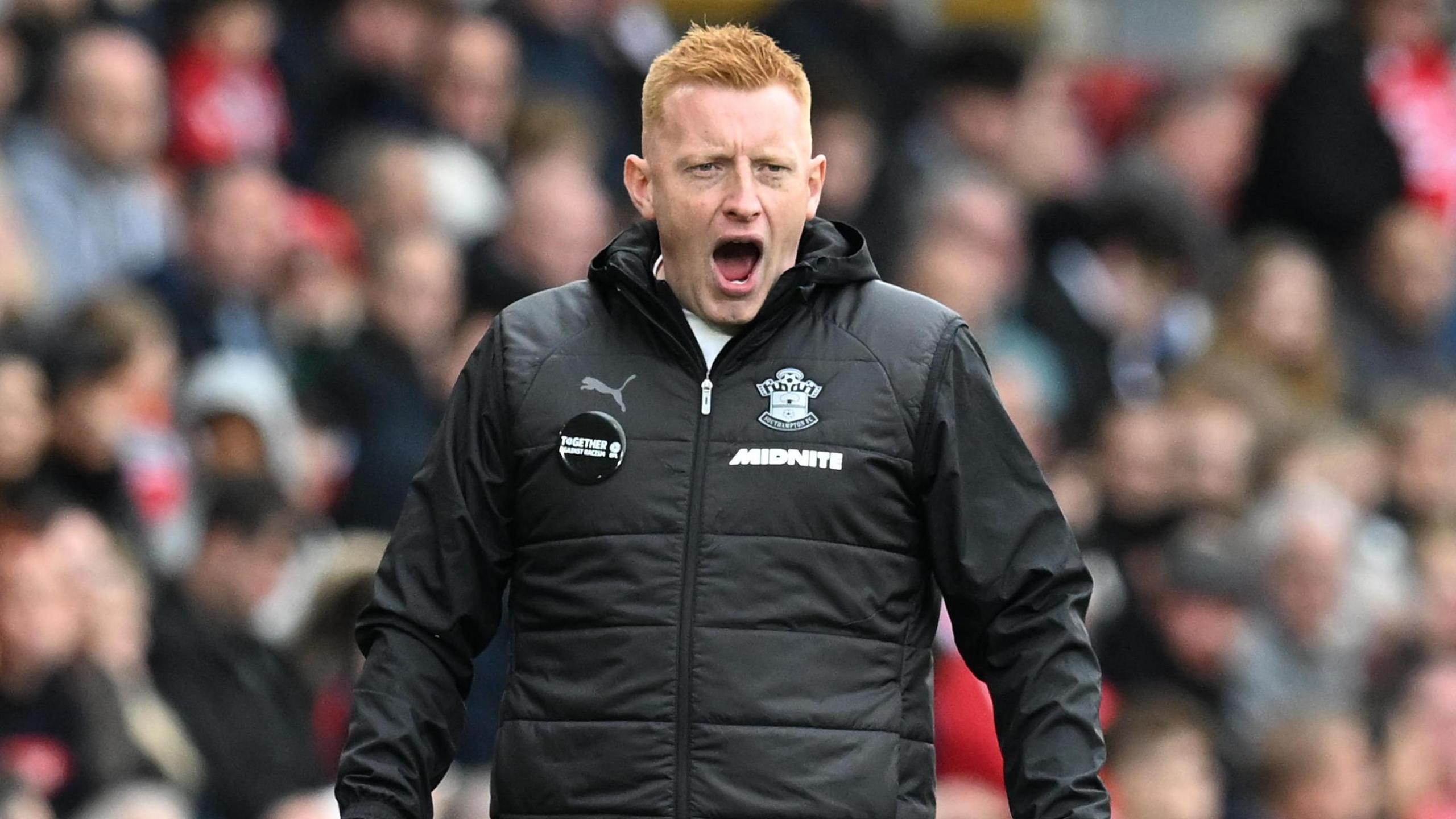
The most cited example of this pipeline is Will Still. At 17, growing up in Belgium as a lifelong West Ham supporter, Still found himself drawn more to the version of football on his PC screen than to playing the sport himself, and the pull of Football Manager and its predecessor Championship Manager was strong enough to redirect him away from playing altogether and toward a coaching education at Myerscough College in Preston, Lancashire. That decision led him into video analysis roles at Belgian sides Sint-Truiden and Standard Liège, then into assistant and first-team coaching jobs, before he was appointed manager of Ligue 1 side Stade de Reims. In March 2023, still only 30, Still guided Reims to a 17-match unbeaten start, a Ligue 1 record for the century, including a result against a Paris Saint-Germain side fielding Messi, Mbappé and Neymar. He has spoken about the game teaching him that what he actually wanted was to build a team and work closely with players, the relational, off-pitch side of the job, long before he ever had a real squad to manage. After Reims, Still went on to manage Southampton, becoming a rare case of the pipeline running all the way from a teenage save file to English football's second tier.
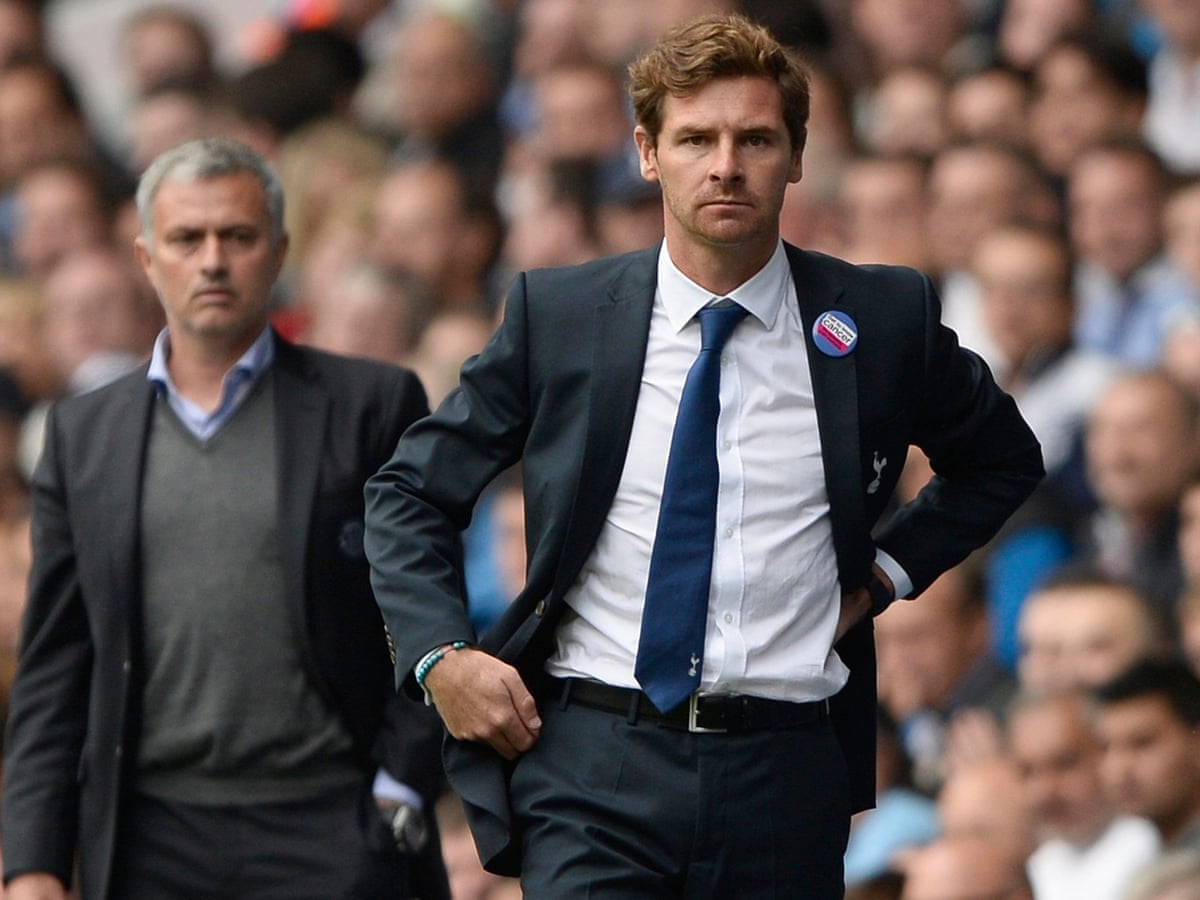
He is far from alone. André Villas-Boas, who went on to manage Porto, Chelsea and Tottenham, was, by his own account, a fan of Championship Manager as a teenager in the 1990s, and has credited the game with fuelling the tactical obsession that shaped his path into coaching, even while acknowledging it did not teach him tactics directly. José Mourinho has reportedly leaned on the game's enormous scouting database as a genuine reference tool when preparing for unfamiliar opposition or assessing lesser-known young players. Roberto Martínez, the former Everton and Belgium manager, has praised the game's realism around long-term planning, contracts and squad balance, calling it useful preparation for the off-pitch demands of the job. Brendan Rodgers reportedly used the game's database early in his career at Reading to track youth talent across Europe, treating it as an informal scouting shortcut before he had the resources to build a scouting network of his own.
Perhaps the earliest and most extreme example of the crossover is Vugar Huseynzade, an Azerbaijani amateur player who was appointed manager of FC Baku in the Azerbaijan Premier League in 2012 with no coaching experience beyond his exploits on Football Manager. His appointment became an early viral story, held up, however unusual a case it remains, as proof that the fantasy of the game could, in rare circumstances, cross over into a real dugout.
Why the Game Translates So Well
It would be easy to dismiss all of this as coincidence, or as flattering anecdotes coaches enjoy telling in interviews. But there are structural reasons why Football Manager specifically, rather than football video games in general, produces this kind of crossover.
The first is its scouting and database system. Every edition of the game relies on a vast network of real-world scouts and researchers who compile data on hundreds of thousands of players across dozens of countries, many of them well below the level covered by mainstream media or even professional scouting networks in smaller clubs. For a young or resource-poor coach, that database can function as a genuine, if informal, scouting tool, a way of learning which leagues produce which types of player, and how to assess attributes systematically rather than by reputation alone.
The second is the game's approach to tactics. Football Manager forces the user to think in terms of shape, roles, and instructions rather than simply picking star players and hoping for the best. Because the match engine rewards coherent tactical plans and punishes muddled ones, players who take the game seriously end up rehearsing the same kind of structural thinking a real coach uses when setting up a defensive block or planning a pressing trigger.
The third, and perhaps most underappreciated, is the game's simulation of the human side of management. Since the introduction of the Dynamics system in Football Manager 2018, the game has modelled dressing-room hierarchies, player influence, morale, and relationships in a way that goes well beyond results on the pitch. Managing an unhappy squad, keeping senior players onside, and navigating a dressing-room split are all things the game asks players to handle, mirroring the softer, interpersonal skills that separate good coaches from great ones in real life.
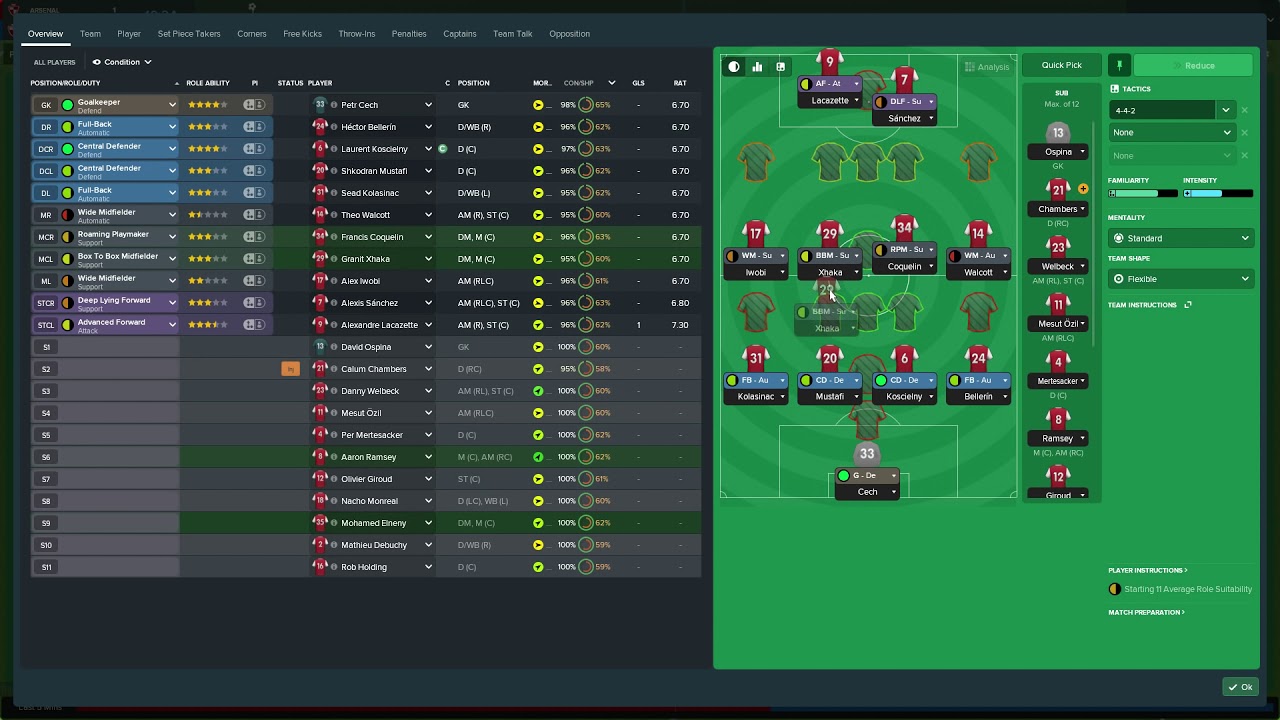
What ties these three elements together, and what genuinely sets Football Manager apart from almost any other simulation on the market, is sheer comprehensiveness. This is not a game that lets a user manage a single team in isolation; it recreates the entire footballing ecosystem a real coach or director of football actually operates within. A single save file can span more than fifty countries and well over a hundred professional and semi-professional leagues, each governed by its own promotion and relegation structure, transfer windows, wage caps, and youth development pathways. Beneath the first team, the game simulates reserve sides, under-23 and under-18 setups, loan networks, and academies, forcing the user to think not just about who starts on Saturday but about who is coming through in three years. Layered on top of that is a full administrative apparatus: board expectations and vision statements, transfer and wage budgets that fluctuate with results and matchday revenue, sponsorship and stadium redevelopment decisions, press conferences and one-on-one media duels that can shift a player's mood or a fanbase's patience, and a coaching staff of assistants, analysts, physios and scouts whose individual attributes affect everything from injury rates to the accuracy of a scouting report. Training alone is broken down into dozens of individual sessions and units covering fitness, tactics, and technical work, each of which can be tailored to an individual player's role, age, and development stage. It is this density of interlocking systems, rather than any single feature, that makes the game function less like entertainment and more like a working simulation of the job itself. A user who takes it seriously is not just picking a starting eleven; they are, in miniature, running a football club from the boardroom down to the training pitch, which is precisely why so many of the people who later go on to do the job for real describe the game less as a pastime and more as an apprenticeship they didn't know they were serving.
The Industry Has Taken Notice
This influence has not gone unnoticed by clubs themselves. Sports Interactive has acknowledged giving real managers direct access to its research data, with reports suggesting this has, on occasion, shaped which players clubs pursue in the transfer market, a curious feedback loop in which a game's scouting network feeds back into the professional game it was modelled on.
Some clubs have gone further, using the game informally as a training tool for young analysts and coaches, treating it as a low-stakes environment in which to practise decision-making before working with real budgets and real players. The game's popularity among current and aspiring coaches has also shaped its own design; more recent editions have leaned further into realistic contract negotiation, media interaction, and squad psychology, partly because the developers are aware their user base includes people who genuinely intend to work in the sport.
None of this means Football Manager is a substitute for coaching badges, playing experience, or years spent learning the trade on a real training pitch. Every manager who credits the game is quick to add caveats. Villas-Boas has been explicit that the game sparked his passion rather than teaching him tactics directly. Still has spoken about the years of unpaid, unglamorous work in video analysis roles that followed his time playing the game, work that had far more to do with his eventual success than any virtual title win. The game is best understood as a gateway rather than a qualification; it lowers the barrier to thinking like a manager, but turning that interest into a career still requires the traditional route of badges, mentorship, and time served in unglamorous roles.
What began as a spreadsheet-heavy simulation for football obsessives has become an unlikely feeder system for the modern coaching profession. Its emphasis on squad building, tactical structure, database-driven scouting, and the psychological management of a dressing room mirrors much of what a 21st-century football manager actually does day-to-day. For a generation of coaches who grew up with a laptop and a save file rather than a professional playing career, Football Manager was not just entertainment. It was, in a very real sense, the first place they ever managed a football team and for a surprising number of them, it would not be the last.
The Most Popular ‘Bandersnatch’ Choices Show We're Not All Complete Monsters
BY: Taylor Hosking
The Most Popular ‘Bandersnatch’ Choices Show We're Not All Complete Monsters
BY: Taylor Hosking
The Most Popular ‘Bandersnatch’ Choices Show We're Not All Complete Monsters
BY: Taylor Hosking
suggestions
-

Sports News
Aiming for Tomorrow
How Virtual Reality and Esports Are Redefining the Future of Shooting Sports
-
Sports News
The Pharaohs' Hidden Reserve
Inside Egypt's Race to Recruit Its Diaspora
-
Sports News
Beating the Market
How the Moneyball Method Rewired Football
-

Sports News
Football Manager
How Football Manager Became Football's Unofficial Academy
-

Sports News
Outside the Court
How Meshref, Elghobashy Henfy and El Saiy - Are Shaping the Future of Youth.
-

Sports News
FIFA World Cup 2026
Football’s Biggest Stage Gets Even Bigger
Sports News
Aiming for Tomorrow
How Virtual Reality and Esports Are Redefining the Future of
Sports News
The Pharaohs' Hidden Reserve
Inside Egypt's Race to Recruit Its Diaspora
Sports News
Beating the Market
How the Moneyball Method Rewired Football
Sports News
Football Manager
How Football Manager Became Football's Unofficial Academy
Sports News
Outside the Court
How Meshref, Elghobashy Henfy and El Saiy - Are Shaping the
Sports News
FIFA World Cup 2026
Football’s Biggest Stage Gets Even Bigger