
August 16, 2026
How Carbohydrate Deficiency and Poor Training Turn Endurance Athletes' Bones to Glass
By: Ahmed Salama - High-Performance Endurance & Multisport Coach
In recent years, my articles and press interviews have been dedicated to covering championships, celebrating the resilience of world-class athletes, and dissecting the secrets behind their achievements.
Today, however, I have been stepping into a very different arena. I write as a high-performance coach in endurance and multisport events (such as triathlon, running, and cycling) to sound the alarm on a dangerous phenomenon stealthily creeping into our athletic communities across Egypt and the Arab region.
Recently, we've seen a massive wave of new athletes jumping into endurance and multisports. While this energy is fantastic, it has also brought a lot of bad advice about nutrition and training.
The biggest mistake? Obsessively cutting out carbohydrates. Many newcomers wrongly believe that cutting carbs speeds up weight loss or boosts performance.
The reality: It leads to repeated, serious injuries. The sport itself isn't hurting these athletes; poor fueling and bad training habits are.
The alarming rise in stress fractures among endurance athletes is not simply a matter of "calcium deficiency." It is the direct collapse of a complex physiological and hormonal system when the body falls into the trap of low energy availability (LEA).
The Missing Concept: When the body enters "emergency mode"
Energy availability (EA) is defined as the amount of dietary energy remaining for the body’s fundamental physiological functions, such as breathing, cardiac output, bone modelling, and hormonal balance, after taking away the energy expended during exercise.
We all know that without fuel, machines and vehicles cease to function. If a car runs out of fuel, it stops immediately and will not move an inch until refocused and refuelled. The human body, however, operates quite differently. When fuel runs dry, it does not simply shut down; it triggers an "emergency mode."
In this survival state, the body turns inward, scavenging vital nutrients from its own bone matrix, harvesting calcium, and breaking down joint structures and essential proteins that safeguard tendons and connective tissues.
When carbohydrate intake is severely restricted alongside gruelling endurance training, the athlete enters a state of low energy availability (LEA). The mind and body interpret this drastic deficit as starvation or an immediate threat to survival. To preserve life, the brain systematically shuts down non-essential biological processes, and bone health is among the very first casualties.
In modern sports medicine, this cascading systemic failure is classified under the umbrella of relative energy deficiency in sport (REDs).

How Carbohydrate Deficiency Destroys the Skeleton
Bones are not inert structural pillars or dead tissue. They are dynamic, living tissues undergoing constant remodelling, a delicate balance managed by "building cells" (osteoblasts) and "resorbing cells" (osteoclasts). Severe carbohydrate deprivation disrupts this critical equilibrium through three primary mechanisms:
- Direct Hormonal Suppression (Halting Bone Formation)
- Suppression of Insulin & IGF-1: Carbohydrates are the primary trigger for the secretion of insulin and IGF-1 (Insulin-like growth factor 1). These hormones act as the primary biological signal to activate bone-building cells (osteoblasts). Deprived of carbohydrates, their secretion plummets, bringing bone formation to a standstill.
- Shutdown of estrogen & testosterone: In female athletes, severe energy deficits suppress luteinizing hormone (LH), leading to menstrual dysfunction or athletic amenorrhea. Estrogen acts as the primary shield protecting bone density by inhibiting bone-resorbing cells (osteoclasts). Without estrogen, osteoclasts break down bone tissue at an accelerated rate. In male athletes, testosterone levels drop significantly, compromising bone mineral density and muscle mass retention.
- Elevated Cortisol: The Continuous Demolition Hammer
Performing high-intensity endurance workouts without adequate glycogen stores subjects the body to extreme physiological stress, sending cortisol levels soaring. Prolonged elevation of cortisol directly:
- Inhibits calcium absorption in the gastrointestinal tract.
- Increases urinary calcium excretion via the kidneys.
- Stimulates the breakdown of structural proteins and bone tissue to derive emergency energy.
- Compromised Absorption & The "Bone Calcium Depletion" Trap
Intestinal absorption requires energy and a balanced hormonal environment. In the absence of sufficient carbohydrates, even if an athlete consumes large amounts of calcium and vitamin D supplements, absorption efficiency drops dramatically. The bloodstream strictly requires a stable calcium concentration for heart function and muscular contraction; the body is forced to leach calcium from its primary reservoir: the skeleton.
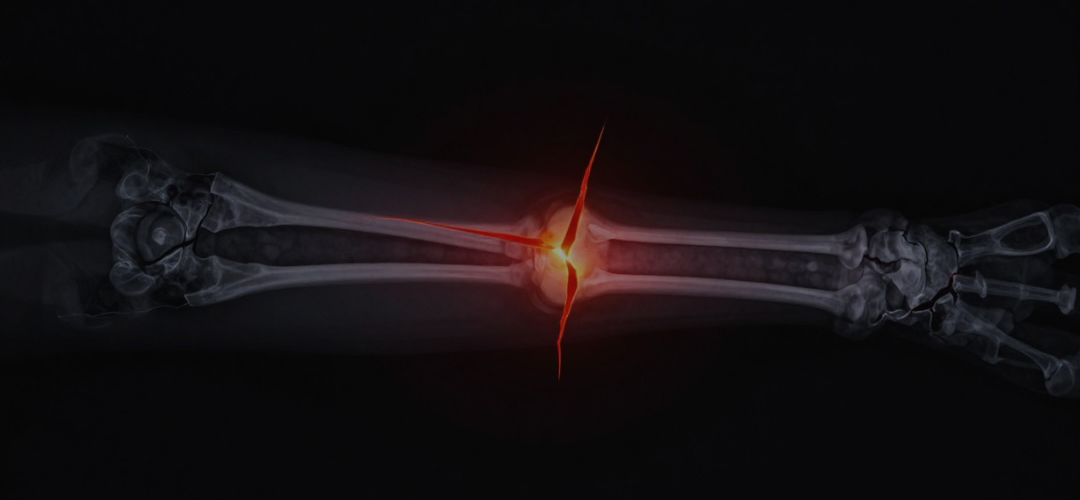
The inevitable outcome: Bone mineral density declines from osteopenia to osteoporosis, ultimately resulting in recurrent stress fractures in the lower legs, feet, or pelvis under minimal training loads.
High-Risk Practices Driving LEA and REDs
Carbohydrate restriction is not the sole culprit. A broader spectrum of flawed nutritional and periodisation practices accelerates the body's descent into emergency mode and bone degradation:
- Nutritional & Timing Errors
- Frequently skipping breakfast: Starting the day with intense physical activity on empty stores places the body in an immediate starvation state, spiking cortisol from the early morning hours.
- Back-to-back workouts without intra-day refuelling: Performing multiple training sessions in a single day without adequate rest intervals or carbohydrate replenishment prevents recovery and deepens the energy deficit.
- Training Periodisation & Load Management Errors
- Lack of a structured annual plan: Training haphazardly based on daily motivation rather than a short- and long-term periodisation model overstresses physiological systems beyond their capacity to adapt.
- Uncontrolled training load spikes: Disregarding progressive overload principles such as the 10% rule (never increasing weekly volume or intensity by more than 10% over the previous week) subjects bones and tendons to mechanical loads they cannot repair.
- Omitting deload weeks: Training through consecutive high-volume weeks without scheduled recovery weeks (Deload Weeks) accumulates systemic fatigue and collapses anabolic hormonal responses.
- Inadequate weekly rest days: Neglecting complete rest days deprives the skeletal system of the crucial time window needed for cellular repair.
- Accidental intensity shifts (Zone 2 to Zone 3-4 drift): Allowing low-intensity aerobic workouts (zone 2) to drift into moderate-to-high intensity zones (zone 3 and above) rapidly depletes glycogen stores, turning recovery sessions into secondary sources of severe stress.
- Skipping off-season recovery: Failing to take a dedicated seasonal break (Off-Season) prevents the endocrine system from resetting and restoring baseline hormonal balance.
Practical Fueling Rules for Endurance & Multisport Athletes
If you are involved in multisport or endurance training, your nutrition cannot be static. You must match your daily intake to your daily energy demands, a strategy known as "fueling for the work required."
- Weight Loss & Caloric Deficits: Timing is Everything
- Match intake to daily activity: Your daily caloric requirements will fluctuate depending on the volume and intensity of your training that day.
- Periodise your weight loss: If your goal is body re-composition or weight loss, plan it exclusively during the general preparation (base) period. Never attempt a caloric deficit during Specific Preparation or Competitive phases, as this directly impairs performance, recovery, and immune function.
- Keep deficits modest: Aim for a small daily deficit of 200–300 calories, rather than aggressive cuts of 500+ calories. Steep deficits trigger low energy availability (LEA), breakdown of bone health, and hormonal disruptions.
- In-session fueling strategy: carbs, hydration, & electrolytes
- Understanding your intra-workout requirements for fluids, sodium/salts, and carbohydrates is essential for sustaining performance and accelerating recovery:

Workouts Under 45 Minutes (Zone 1 – Zone 2)
- Strategy: Water and electrolytes only (zero carbs needed).
- At this duration and intensity, your natural glycogen stores are more than sufficient.
Workouts Over 45 Minutes (Zone 2) or High Intensity (Zone 3 & above)
- Strategy: Carbohydrate fueling is mandatory.
- Carb Rate: Start with 30–40 grams of carbohydrates per hour. You can gradually train your guts to absorb higher amounts over time as training demands increase.
- Fluid Intake: Start with a baseline of 400 ml per hour, adjusting upward based on ambient temperature, humidity, and individual sweat rate.
- Fluids and salt: it’s different from one to another. And should be counted depending on the test for each.
The Message: Nutrition and Periodisation Are Your First Line of Defence
As a coach, my message to all endurance athletes is clear: carbohydrates are not the enemy to be eliminated. They are your primary fuel source and the chief guardian of your skeletal and endocrine systems. You cannot build a strong endurance athlete on an empty tank, nor can a training program succeed if it destroys the athlete's health from within.
Raising awareness about REDs, LEA, and proper training management is no longer an academic luxury. It is an urgent necessity to protect our athletes across the Arab world from preventable, career-ending injuries.
Scientific References
- Mountjoy, M., et al. (2018). "IOC consensus statement on relative energy deficiency in sport (RED-S): 2018 update." British Journal of Sports Medicine, 52(11), 687-697.
- Mountjoy, M., et al. (2023). "2023 International Olympic Committee’s (IOC) consensus statement on Relative Energy Deficiency in Sport (REDs)." British Journal of Sports Medicine, 57(17), 1073-1097.
- Sale, C., & Elliott-Sale, K. J. (2019). "Nutrition and bone health in athletics." International Journal of Sport Nutrition and Exercise Metabolism, 29(2), 186-194.
- Papageorgiou, M., et al. (2018). "Reduced energy availability suppresses bone resorption and formation in male endurance athletes." Medicine & Science in Sports & Exercise, 50(4), 844-851.
- Nattiv, A., et al. (2007). "American College of Sports Medicine position stand. The female athlete triad." Medicine & Science in Sports & Exercise, 39(10), 1867-1882.
- Areta, J. L., et al. (2021). "Low energy availability: history, definition and evidence of its endocrine and metabolic outcomes in physical active individuals." European Journal of Applied Physiology, 121(1), 1-21.
The Most Popular ‘Bandersnatch’ Choices Show We're Not All Complete Monsters
BY: Taylor Hosking
The Most Popular ‘Bandersnatch’ Choices Show We're Not All Complete Monsters
BY: Taylor Hosking
The Most Popular ‘Bandersnatch’ Choices Show We're Not All Complete Monsters
BY: Taylor Hosking
suggestions
-

Health & Fitness
Beyond the Summit
Why Mountain Climbing Is the Ultimate Test of Body and Mind
-

Health & Fitness
The Shock of Kinetic Silence
How Carbohydrate Deficiency and Poor Training Turn Endurance Athletes' Bones to Glass
-

Health & Fitness
Reda Ragab
A business man who changed the nutraceutical and supplement industry in Egypt
-

Health & Fitness
Mahmoud Ezz
Transformative Fitness: Unlocking a Healthier Life with Mahmoud Ezz
-

Health & Fitness
Royal Health Club and Spa
Awaken your senses at Royal Health Club and Spa At Grand Nile Tower Hotel
-

Health & Fitness
Unlocking Wellness
The Benefits of Ice Baths, Saunas, and Steam Rooms
Health & Fitness
Beyond the Summit
Why Mountain Climbing Is the Ultimate Test of Body and Mind
Health & Fitness
The Shock of Kinetic Silence
How Carbohydrate Deficiency and Poor Training Turn Endurance
Health & Fitness
Reda Ragab
A business man who changed the nutraceutical and supplement
Health & Fitness
Mahmoud Ezz
Transformative Fitness: Unlocking a Healthier Life with Mahm
Health & Fitness
Royal Health Club and Spa
Awaken your senses at Royal Health Club and Spa At Grand Nil
Health & Fitness
Unlocking Wellness
The Benefits of Ice Baths, Saunas, and Steam Rooms