February 04, 2026
Charting a Course: The New Wave of Egyptian Careers on the Water
The rhythm of opportunity on Egypt’s coast today beats to a new, more complex tempo. It’s the sound of a generation discovering that a future can be built not despite the sea, but because of it. The energy at the Egypt International Boat Show, with its gleaming hulls and cutting-edge gear, is a tangible sign of this shift. It signals a move beyond seeing our waters as merely a scenic backdrop and toward recognising them as a vibrant, living workspace.
For centuries, the Nile charted our course. But look at a map today. We are a nation framed by two seas and connected to the world by a legendary canal. This geography is no longer just scenery; it's a blueprint for a new economy. While the global yachting world looks for fresh horizons and sustainable growth, Egypt’s coastline is emerging as the answer, and our young people are its most vital resource.
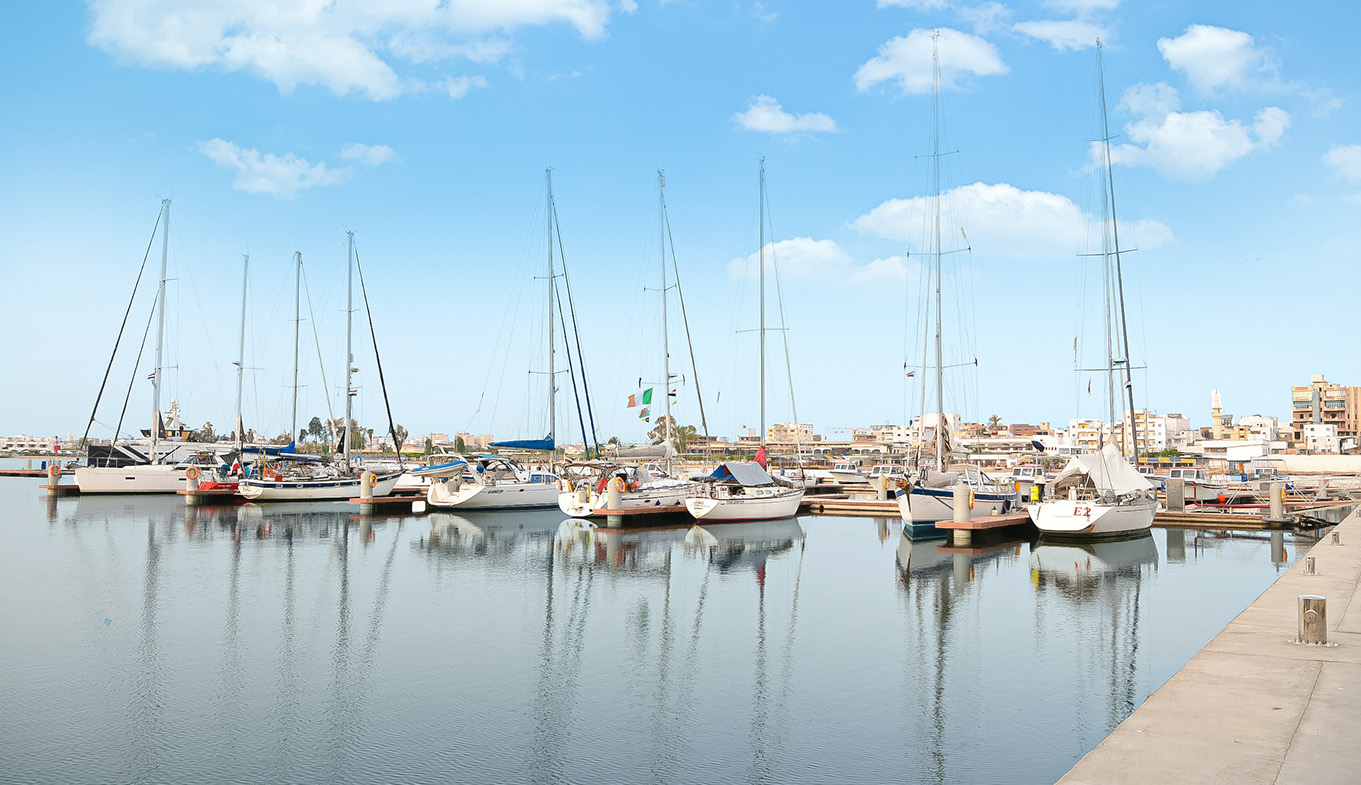
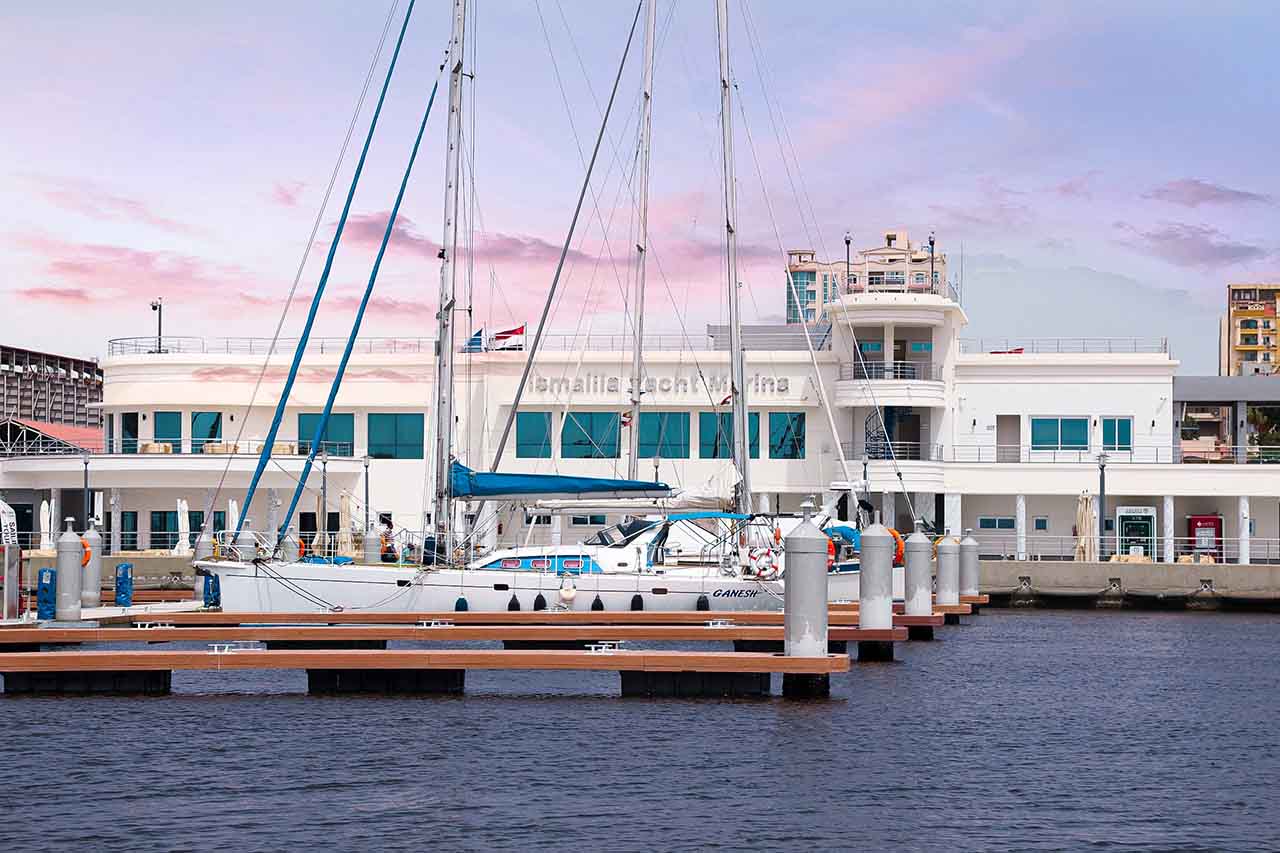
Egypt is taking decisive steps to establish itself as a premier destination for sustainable marine tourism, beginning with the development of its first green yacht marina in Ismailia on the Suez Canal. This pioneering 25,000-square-meter facility, powered by renewable energy and designed to accommodate 65 yachts, will be integrated with a hotel and trading zone. It will form a cornerstone of the nation's National Climate Strategy 2050. This project is part of a comprehensive national push to leverage Egypt’s unique geographic advantage — its nearly 3,000 km of coastline linking three continents. It involves building an integrated network of modern marinas and streamlining services. Efforts include expanding existing marinas in Port Said and Ismailia, constructing new tourist walkways, and launching a digital one-stop shop platform to facilitate yacht entry and fee payments. Under direct presidential and ministerial directives, these coordinated actions aim to transform Egypt’s strategic waterways into a globally competitive hub for yacht tourism, aligning environmental stewardship with significant economic development.
The old model of fly-in, fly-out tourism is giving way to something deeper and more engaging. Today's traveller wants to live on the water, not just view it from a hotel balcony. They charter a boat for weeks, exploring hidden coves and historic ports. This creates a complex ecosystem of demand, requiring a diverse fleet of professionals. It’s an environment where a vessel is not just a boat, but a moving luxury hotel. It is also a fine-dining restaurant, and a technical marvel, all requiring a specialised crew. This emerging industry is a complete ecosystem, and its lifeblood is a diverse and specialised workforce.
The career pathways on the water are as defined and professional as in any corporate office or luxury resort, each with a clear ladder to climb and specific international standards to meet. The industry is structured into primary departments, all operating under the ultimate authority of the Captain, who holds a master's license and is responsible for the entire vessel, its safety, and its operations. This role requires not just technical certification from recognised bodies but also significant leadership and management experience.
The Deck Department, led by the Bosun, is responsible for the yacht’s exterior, navigation, and guest water activities. Entry-level deckhands gain crucial hands-on experience, often starting with basic safety and powerboat certifications. They follow a pathway to becoming Officers and ultimately Captains.
The Interior Department, managed by the Chief Steward/Stewardess, delivers the luxury hospitality experience, encompassing service, housekeeping, and guest care. This requires a blend of formal hospitality training, meticulous attention to detail, and exceptional interpersonal skills.
The heart of culinary excellence at sea is the Galley, run by the Head Chef. This role demands formal gastronomical training and the unique ability to produce fine dining in a compact, moving environment.
Finally, the Engineering Department, overseen by the Chief Engineer, ensures all mechanical, electrical, and complex systems run flawlessly. These are highly trained technicians, often holding formal engineering certificates, who are critical to the yacht's operation and guest comfort.
The size of the yacht directly shapes the crew structure and specialisation. A vessel under 75 ft may operate with just a Captain or a small team wearing multiple hats. As yachts grow larger, crews expand significantly, requiring more personnel and greater specialisation within each department.
On the largest superyachts, roles can become highly niche. While motor yachts of a given length typically require a slightly larger crew due to more interior volume and complex systems. Sailing yachts demand a deep-seated seamanship skill set from their deck teams.
This is where abstract economic potential crystallises into real, life-changing careers. The growth of marinas and the increasing number of vessels are creating sustained demand for these precise skills, offering wages and stability that were once hard to find.
A young graduate from a technical school or a university can envision becoming a certified marine electrician or a fibreglass artist, trades that are respected globally. Similarly, the surge in charter services needs a new kind of hospitality professional — one trained not just in silver service, but in the unique safety protocols and spatial challenges of life on the water.
The pathway to these professions is being built through a concerted focus on maritime training, all within a structured national framework.
The Egyptian Authority for Maritime Safety, or EMAS, is the foundational pillar of this professionalisation. Far more than just a regulator, EMAS is the essential guarantor of quality and safety for the entire sector. It accredits training institutions, validates their curricula, and licenses professionals, providing credible oversight that builds trust with international clients and investors.
The maritime transport and logistics sector in the Arab Republic of Egypt operates from a position of profound global and national significance. As an industry responsible for moving over 80% of the world's trade volume, it is the essential artery for the strategic commodities and cargo that sustain human life across the globe. Egypt’s strategy for this sector, however, extends far beyond the simple movement of passengers and freight.
When a school, like the pioneering Red Sea Yachting Institute, receives EMAS accreditation, it signals that its programs meet rigorous national standards for safety and competency, forming a solid foundation upon which international credentials can be built.
This framework supports a network of specialised academies ready to launch these new careers. For those drawn to the commercial shipping and port management world, institutions like the Arab Academy for Science, Technology and Maritime Transport in Alexandria offer comprehensive degree programs in engineering and logistics. In Port Said, university faculties and the Suez Canal Authority’s own institute provide deep, canal- focused nautical training.
For the specific world of yachting, a parallel and equally vital pathway exists to gain the international certifications that are the global currency of the industry. Established institutions like the Royal Yacht Club of Egypt offer recognised courses, while EMAS-accredited yachting schools provide training that is often dual-aligned, combining national standards with international syllabi from bodies like the United Kingdom’s Royal Yachting Association.
This allows an Egyptian trainee to progress from beginner courses all the way to a professional Yachtmaster licence, an education that is both locally valid and instantly recognisable on any coastline in the world.
For those entering this field, the process is highly professionalised. Key leadership roles like Captain and Head Chef are filled first, often through reputable recruitment agencies or industry networks that carefully vet for both qualifications and team fit.
For other positions, advertising on specialised crew portals and leveraging referrals from trusted industry professionals are common pathways to finding the right candidate for a cohesive, high-performing team. Beyond direct employment, the entrepreneurial spirit is finding its footing on the dock. With initiative and digital savvy, a young person can build a business managing online bookings for a fleet of day-sailors, launch a service delivering fresh provisions directly to anchored yachts, or create a platform that connects visitors with expert local guides for fishing and exploration.
Naturally, the journey is not without its challenges. The pace of building sufficient marina infrastructure, the ongoing work to streamline regulations, and the paramount importance of protecting the fragile marine environment are all currents that require careful navigation.
Yet the overall direction is unmistakable. There is a gathering alignment between national strategies for the blue economy, the capital and vision of investors, and the deep reservoir of talent and ambition in Egypt’s youth.
So, what does this future port look like? Imagine a bustling waterfront where the sound of grinders in a repair yard mixes with laughter from a waterside café started by a young entrepreneur. Picture a regional hub where Egyptian engineers service global yacht brands and Egyptian captains, holding world-class credentials, guide those vessels through our historic waters.
It is inspiring to witness Egypt's maritime sector charting a course toward a more sustainable future. The commitment to developing pioneering green yacht marinas is a powerful signal of this shift. Such a facility represents far more than a place to dock; it is a model of infrastructure designed in harmony with the environment, serving as a vital hub for both the vessels it hosts and the skilled professionals who maintain them.
The Yacht Marina at Ismailia is one of the yacht reception centres affiliated to the Suez Canal Authority (SCA). It has a unique location on Lake Timsah and has received a lot of attention within the framework of the development project that entailed enhancing the quality of the basic services provided; electricity, water, internet, etc., as well as providing first-line maintenance through the SCA.
Powered by renewable energy and built on principles of advanced conservation, waste management, and eco-friendly design, these marinas transform into integrated destinations that embody national climate goals. They create high-quality workspaces, attract a new generation of environmentally conscious visitors, and set a bold, new regional standard for the entire maritime community.
This forward-thinking vision is further strengthened by actionable pathways for industry-wide progress. To support and amplify this vital movement, marina owners and operators across Egypt are encouraged to engage with leading environmental certification programs like Green Marine. This voluntary initiative provides a structured framework to measure, benchmark, and continuously improve environmental performance — exceeding regulations in key areas from biodiversity to community relations. By pursuing such accreditation, Egypt’s marinas can solidify their global reputation as responsible, sustainable, and ready for the future.
The horizon has never looked brighter. With a foundation of strategic geography, a growing, skilled workforce nurtured in these very hubs, and now a clear commitment to green innovation, Egypt is not just catching the current wave of maritime tourism—it is steering it toward a more prosperous and sustainable destination for all.
This is the tangible horizon now coming into view. The Egypt International Boat Show is, in this light, far more than a simple exhibition. It is an annual showcase of this new reality, a living career fair that signals the most promising frontier for ambitious Egyptians is no longer confined to crowded city centres, but stretches out along the limitless, beckoning blue of our shores. The tide has turned, and with it, a new generation is confidently preparing to set sail.
The Most Popular ‘Bandersnatch’ Choices Show We're Not All Complete Monsters
BY: Taylor Hosking
The Most Popular ‘Bandersnatch’ Choices Show We're Not All Complete Monsters
BY: Taylor Hosking
The Most Popular ‘Bandersnatch’ Choices Show We're Not All Complete Monsters
BY: Taylor Hosking
suggestions
-
Water Sports
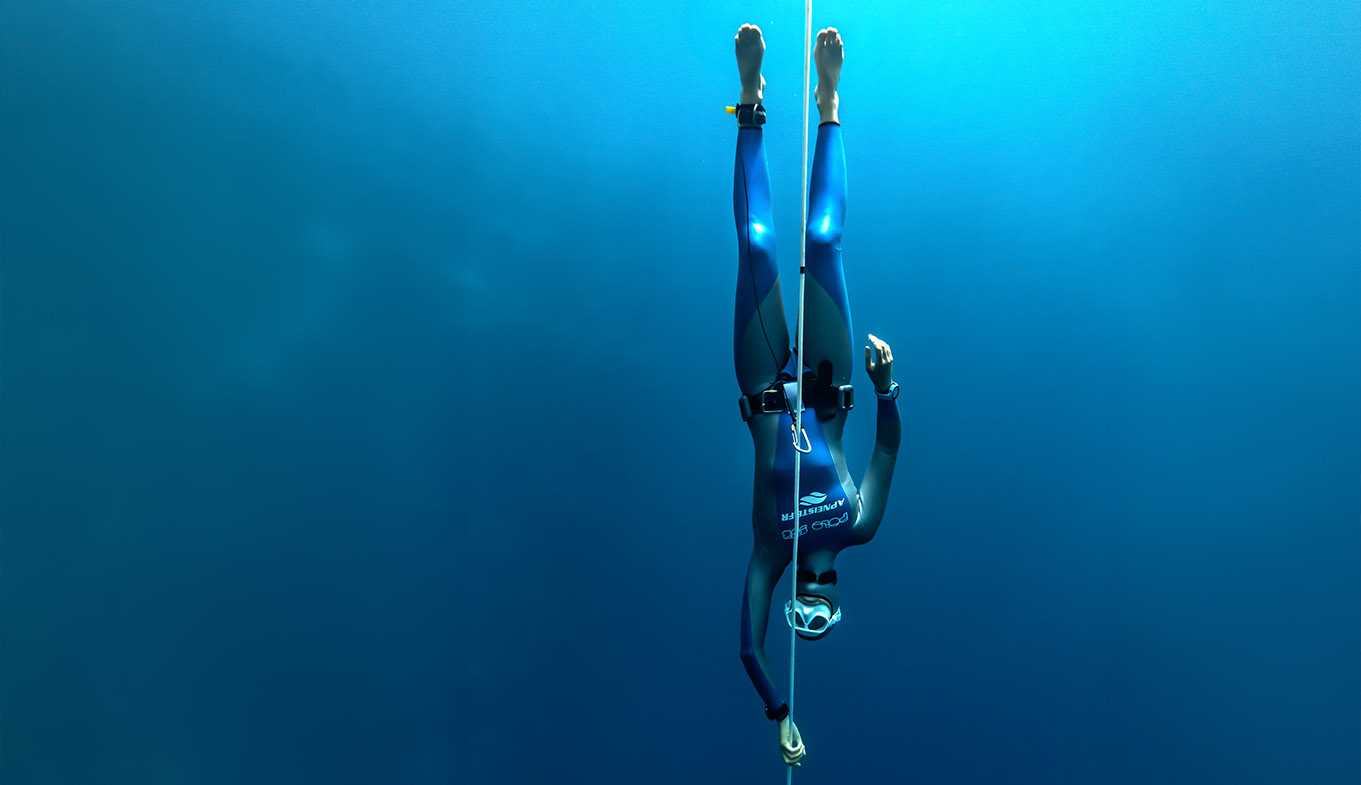
Freediving in Egypt
Exploring the Red Sea on a Single Breath
-
Water Sports
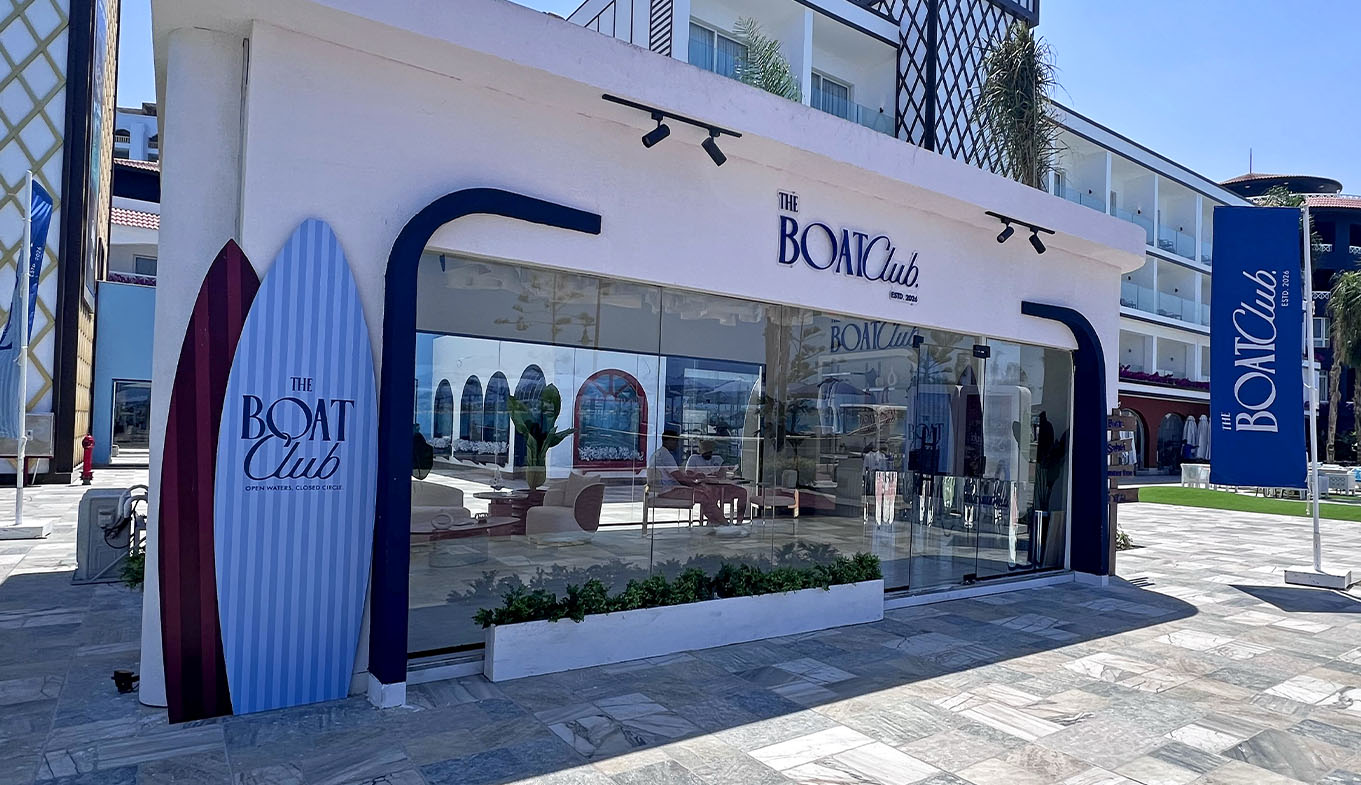
The Boat Club
Porto Marina to Hosted the First Edition of The Boat Club - Egypt
-
Water Sports
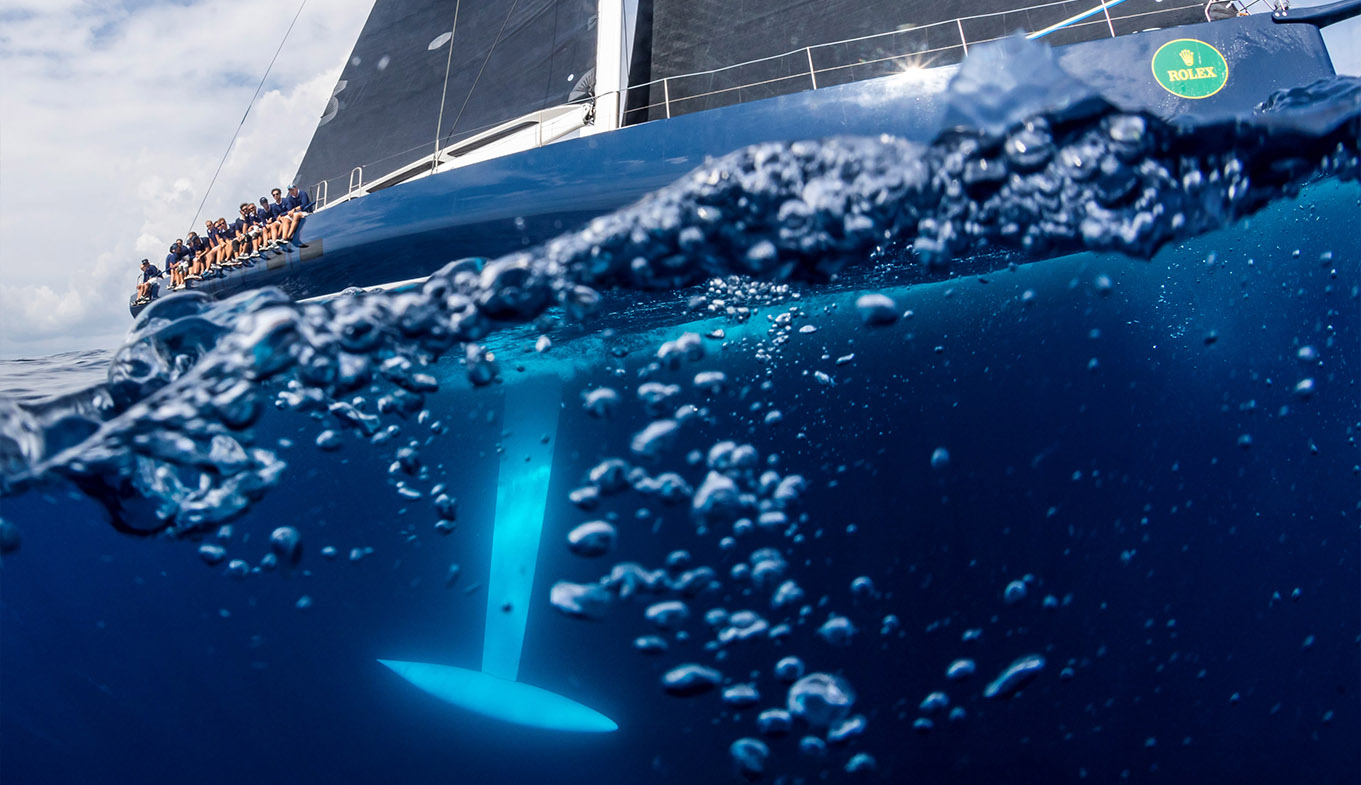
Rolex and the World’s Most Prestigious Regattas
A Natural Alliance Between Time and the Sea
-
Water Sports
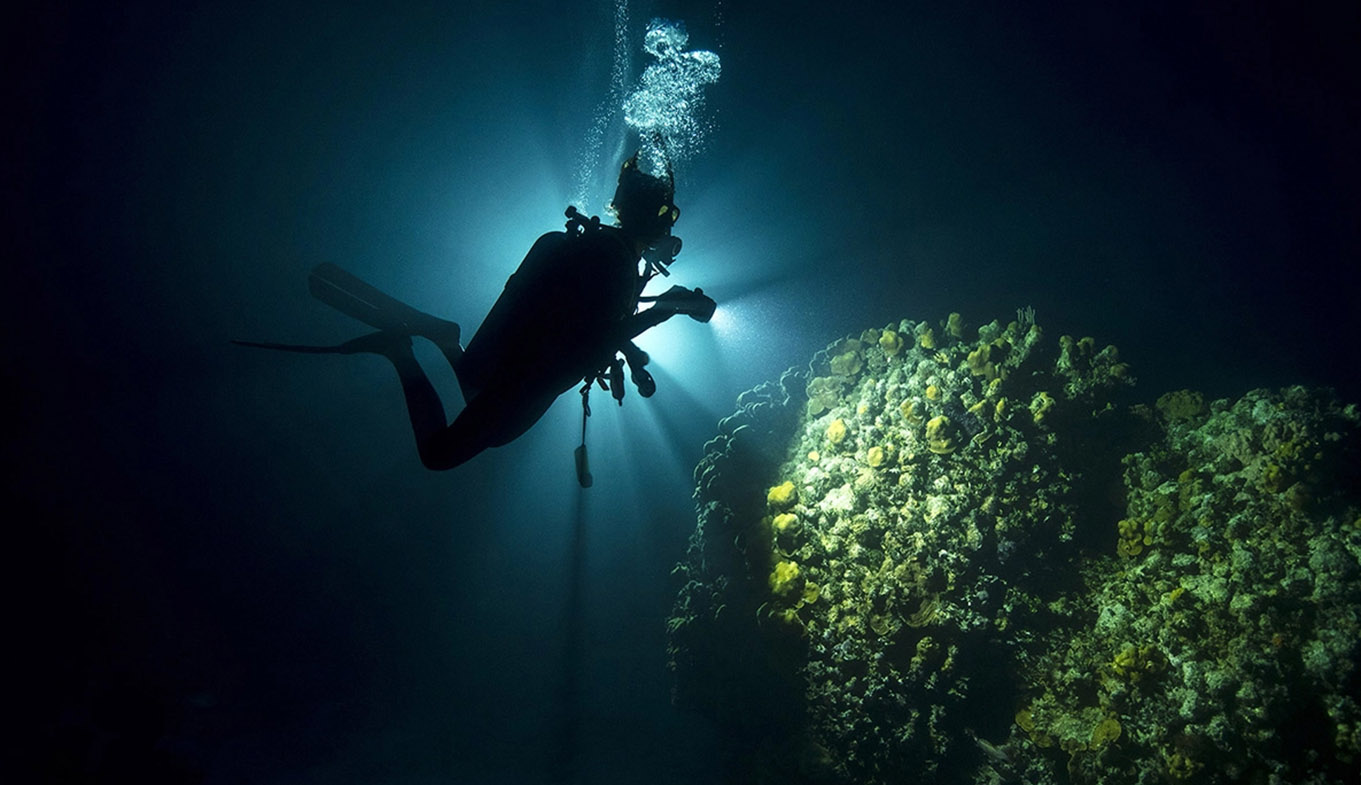
Exploring the Red Sea at Night
After Hours Underwater
-
Water Sports
A Diver’s Paradise
Egypt’s Top Diving Destinations
-
Water Sports
A Fragile Paradise
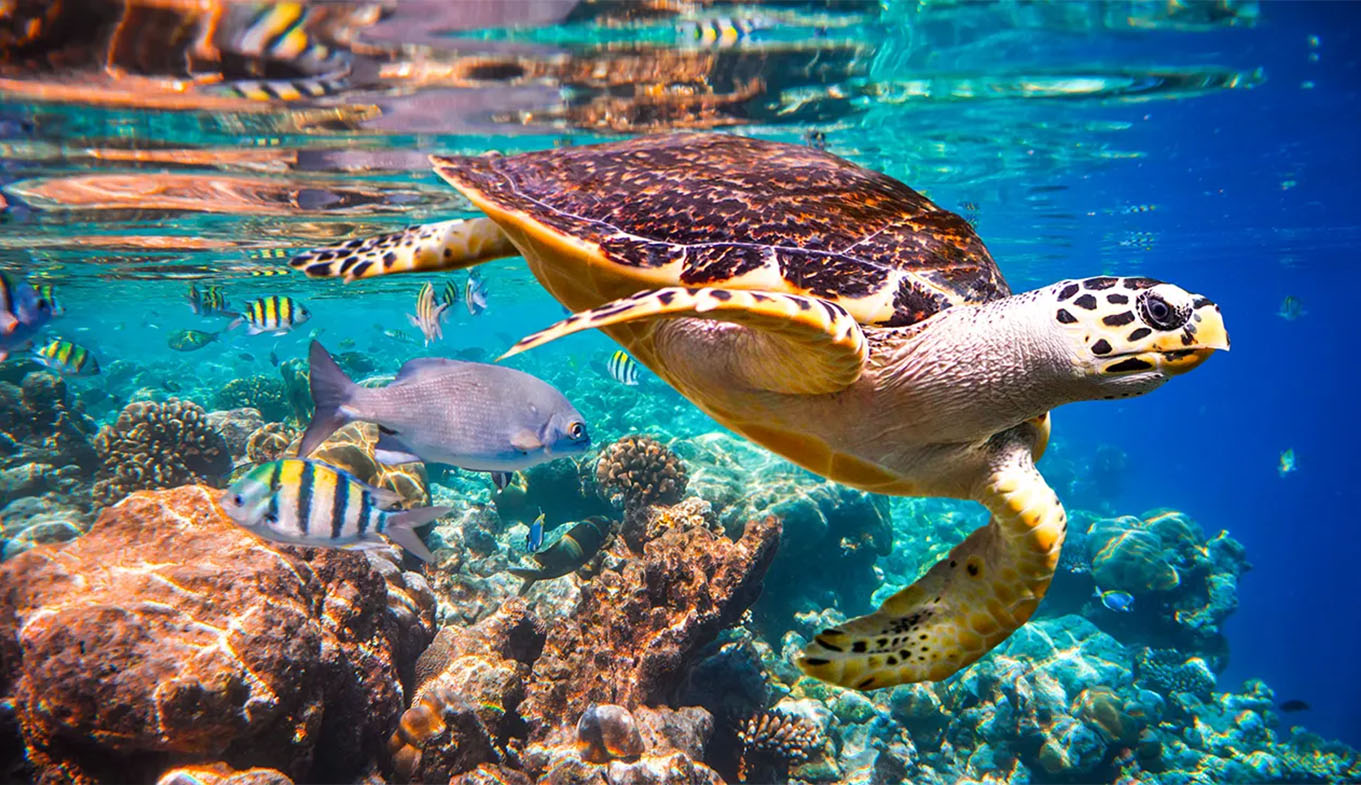
Endangered Wildlife of the Red Sea
Water Sports
Freediving in Egypt
Exploring the Red Sea on a Single Breath
Water Sports
The Boat Club
Porto Marina to Hosted the First Edition of The Boat Club -
Water Sports
Rolex and the World’s Most Prestigious Regattas
A Natural Alliance Between Time and the Sea
Water Sports
Exploring the Red Sea at Night
After Hours Underwater
Water Sports
A Diver’s Paradise
Egypt’s Top Diving Destinations
Water Sports
A Fragile Paradise
Endangered Wildlife of the Red Sea