February 04, 2026
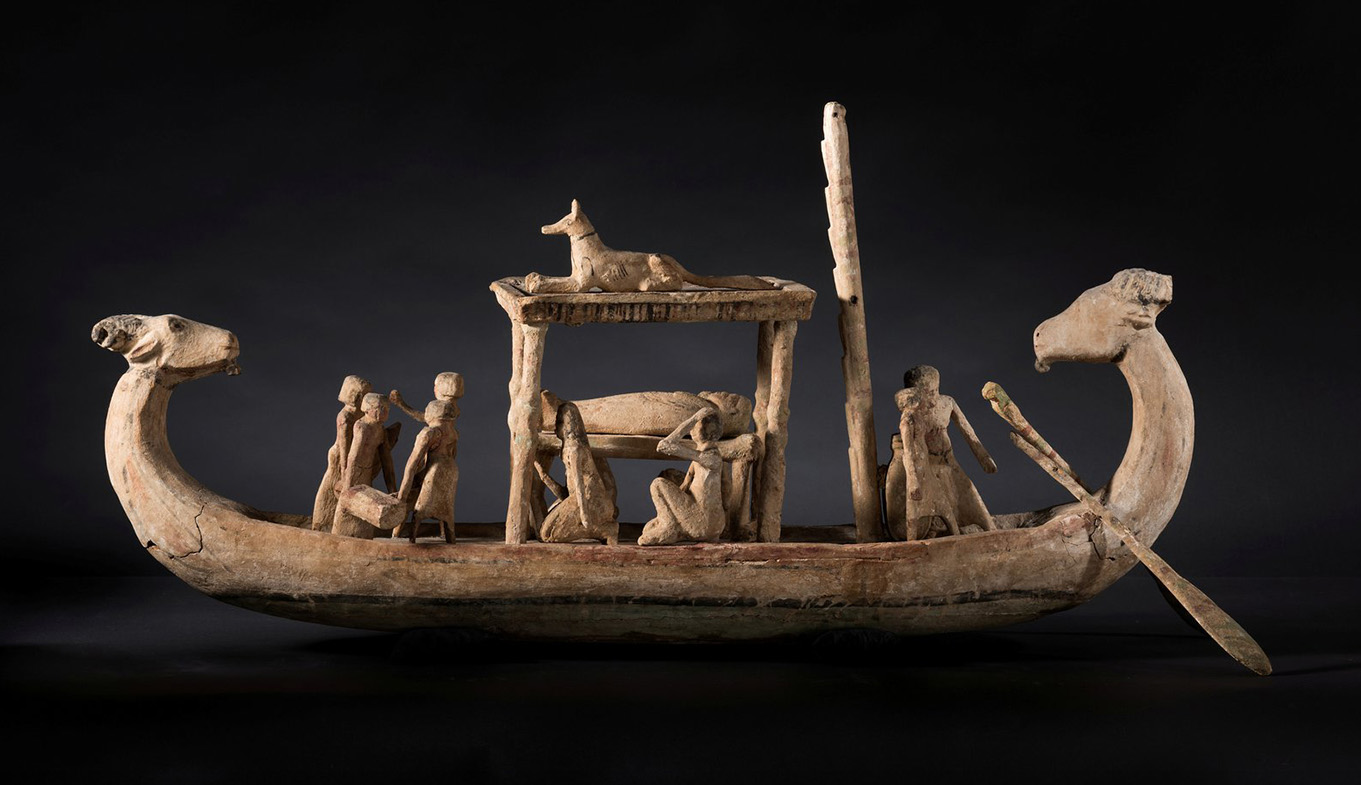
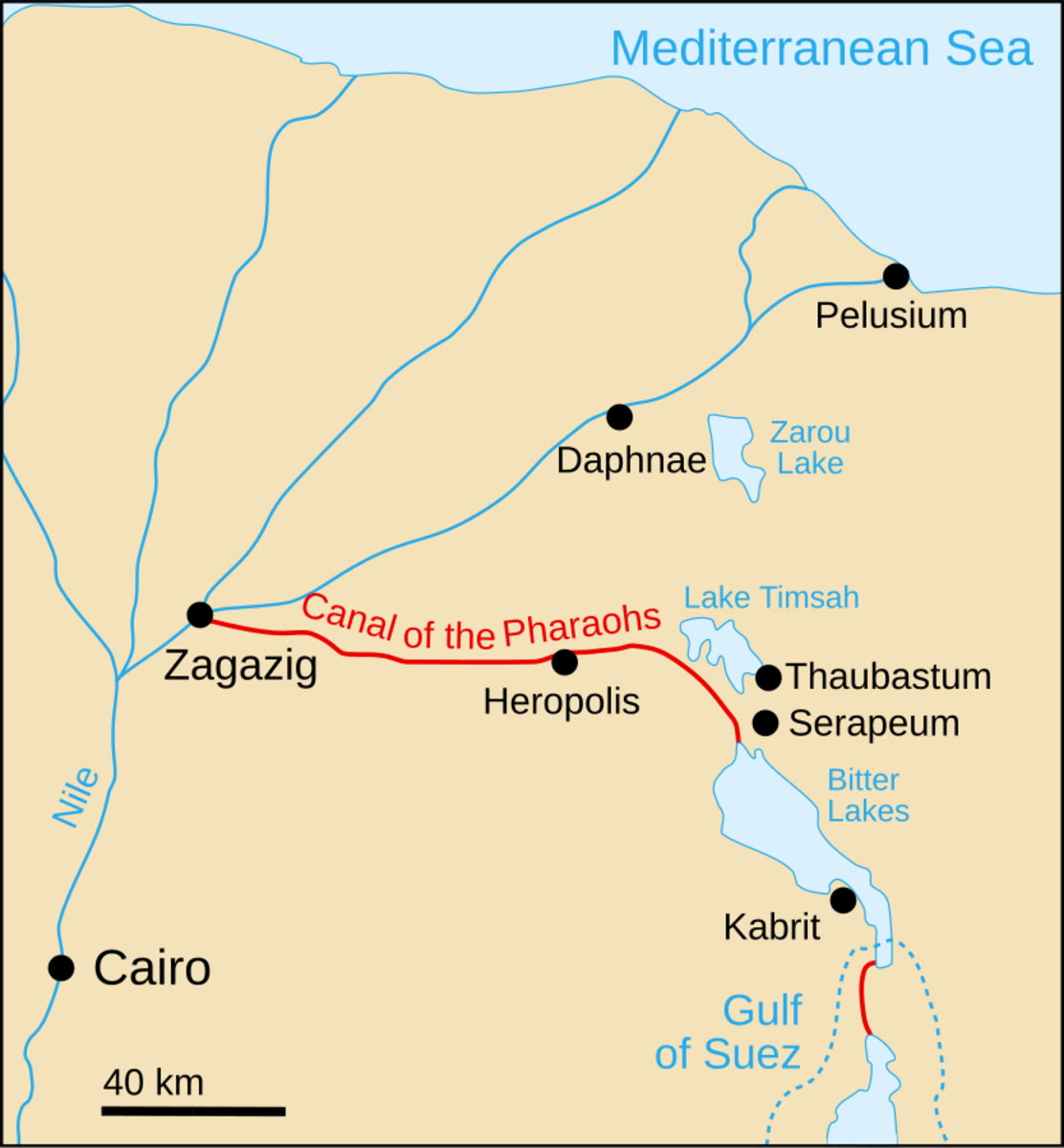
Although the River Nile had huge importance in Ancient Egypt, the Red Sea is often an overlooked aspect of its civilisation. Its role in trade, power, shipbuilding and seafaring, combined with its religious significance, made it a vital part of ancient Egyptian life. The Red Sea facilitated trade with distant lands and supported state-sponsored expeditions, while also holding deep symbolic and spiritual significance. Pharaoh Senusret III of the 12th Dynasty is believed to have proposed connecting the Red Sea and the Mediterranean Sea via the Nile and its branches through the building of canals. Trade was developed through these canals, most notably the Canal of the Pharaohs, also known as the Ancient Suez Canal. The history of the Red Sea is closely connected with ancient Egyptian history, with evidence indicating that expeditions were launched to establish commercial routes to the distant land of Punt, a region known for valuable resources such as gold, myrrh and exotic animals. Based on archaeological evidence, Punt is believed to be located around the Southern Red Sea and near the Horn of Africa, close to Eritrea and Somalia; however, many historians debate its exact location. Using the Red Sea, ancient Egyptians secured wealth, power and knowledge that has left a legacy for generations to come.
Voyages to Punt and the Rise of Red Sea Ports
One of the most well-known expeditions, destined for Punt, was launched under the reign of Queen Hatshepsut around c. 1500 BCE. This expedition was particularly challenging because ships were built, used for travel, disassembled and carried across the land and then rebuilt to continue their sail to Punt. This impressed the inhabitants of Punt, as they were in awe of the resilience of the ancient Egyptians, which made them eager to trade with them. This trade was further enhanced by the building of ports such as Mersa Gawasis, which had the ancient name of Saww, located approximately 24 km south of Safaga. Evidence found at this port, such as ship parts, inscriptions on stone tablets detailing expeditions and foreign goods indicate the importance of this port in trade between ancient Egypt and Punt. The building of this port and the use of its trade strengthened ancient Egypt’s economy and reputation amongst international communities. Ain Sokhna contained several archaeological artefacts such as harbours, anchors and inscriptions which provide evidence of its role in the Red Sea trade. Its location on the Gulf of Suez provided access to the Red Sea, vital for resource acquisition and trade.
Masters of the Red Sea: Shipbuilding and Seafaring
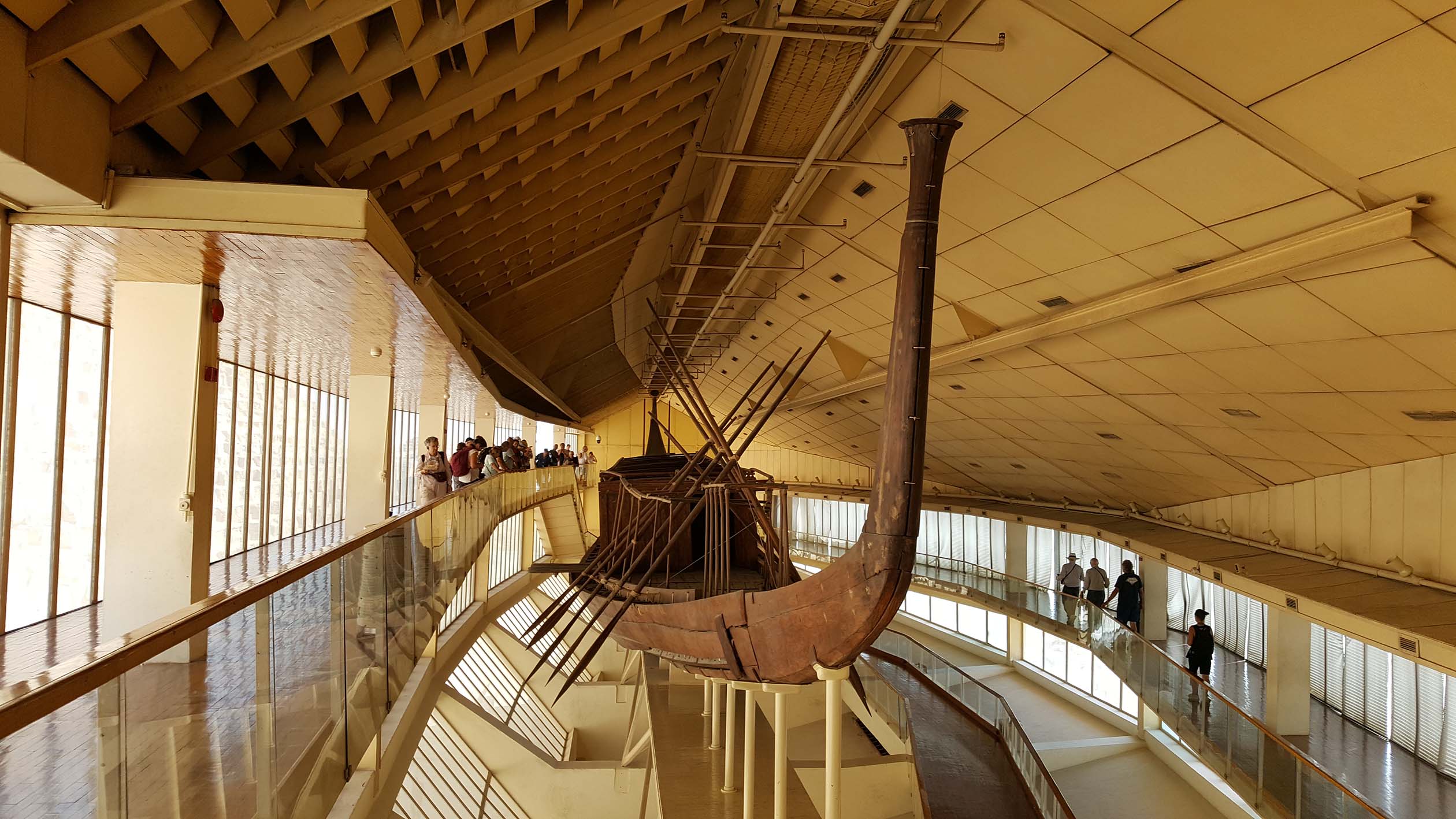
Accomplished around 4000 years ago without the support of modern technology, these voyages revealed extraordinary technological skill and a clear ambition to explore beyond familiar waters. This also strengthened the power and prestige of the rulers at the time. The ancient Egyptians used both local and imported resources to build sturdy ships capable of open-sea navigation to distant lands such as Punt. Cedar was imported from Lebanon, and materials from local Egyptian trees, such as the acacia and sycamore-fig, were used for joints, pegs and smaller boat parts. Evidence of the disassembled vessels was found in Middle Kingdom pyramid sites such as Lisht and Lahun on the Nile, as well as pieces of ship timbers being identified in storage galleries at Ain Sokhna.
Power, Profit and Control of the Red Sea
Travelling via the Red Sea allowed ancient Egyptians to bypass land routes and quickly reach regions such as Punt and Arabia, to secure exotic resources including ebony, ivory, gold and aromatic resins. As well as importation, the ancient Egyptians were able to export resources native to the land. These resources included papyrus, linen and pottery, and the revenue generated by these import and export transactions strengthened Egypt’s economy. Goods obtained through these expeditions were used in religious ceremonies, frequently offered to temples and gods at the time. Aside from generating wealth, these expeditions fostered diplomatic relationships with officials from neighbouring lands and extended influence beyond the homeland. Control of the Red Sea routes enabled Egypt to secure its borders by dominating the waters, thereby preventing any threat of seaborne invasions.
Sacred Waters: The Red Sea in Religious Tradition
While ancient pharaohs relied on the Red Sea as a source of power, wealth and resources, it is impossible to discuss its history without acknowledging one of the most influential narratives shared by Islam, Christianity and Judaism. According to these religions, during the Israelites’ escape from the rule of the pharaoh, God parted the Red Sea, allowing them to flee before the waters closed again, drowning the pharaoh and his army. This was not recorded in ancient Egyptian records, as this was deemed embarrassing for the ruling pharaoh, who was seen as a deity amongst his people. This solidified the superiority of God over the pharaoh.
From expeditions to distant lands and resource acquisition to maintaining a strong military presence, the Red Sea played a vital role in the success of Ancient Egypt. Thousands of years later, we have developed the modern Suez Canal, connecting Port Said in the Mediterranean Sea to the Gulf of Suez in the Red Sea. The Suez Canal is one of the most important maritime routes globally, significant for decreasing travel time between Europe and Asia. It handles around 12 to 15 per cent of global maritime trade and is a major source of income for Egypt, being entirely owned by the Egyptian government. Without the early exploration of the Red Sea, we would not have had the foundations to develop Egypt’s role as a connection between two continents, which is a role that continues to shape global trade today.
The Most Popular ‘Bandersnatch’ Choices Show We're Not All Complete Monsters
BY: Taylor Hosking
The Most Popular ‘Bandersnatch’ Choices Show We're Not All Complete Monsters
BY: Taylor Hosking
The Most Popular ‘Bandersnatch’ Choices Show We're Not All Complete Monsters
BY: Taylor Hosking
suggestions
-
Water Sports
Freediving in Egypt
Exploring the Red Sea on a Single Breath
-
Water Sports
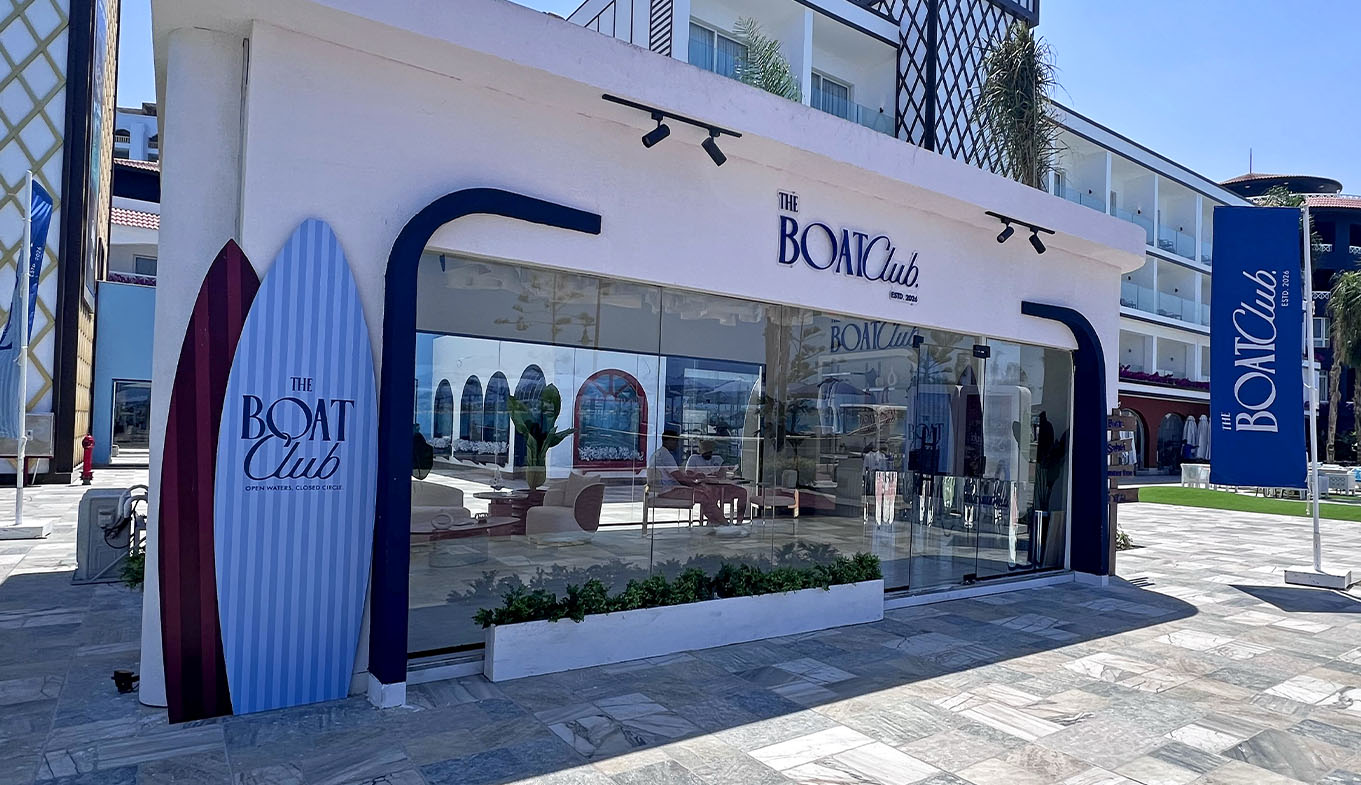
The Boat Club
Porto Marina to Hosted the First Edition of The Boat Club - Egypt
-
Water Sports
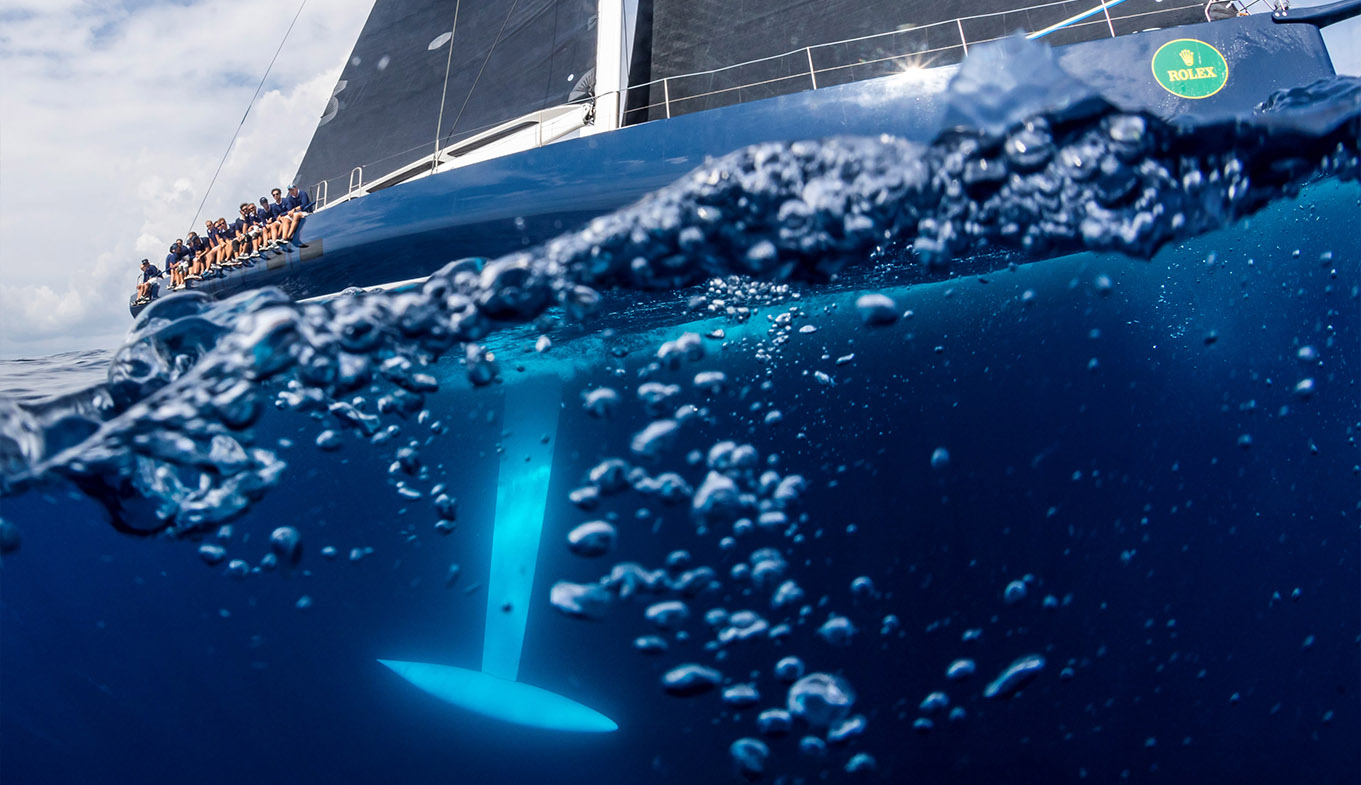
Rolex and the World’s Most Prestigious Regattas
A Natural Alliance Between Time and the Sea
-
Water Sports
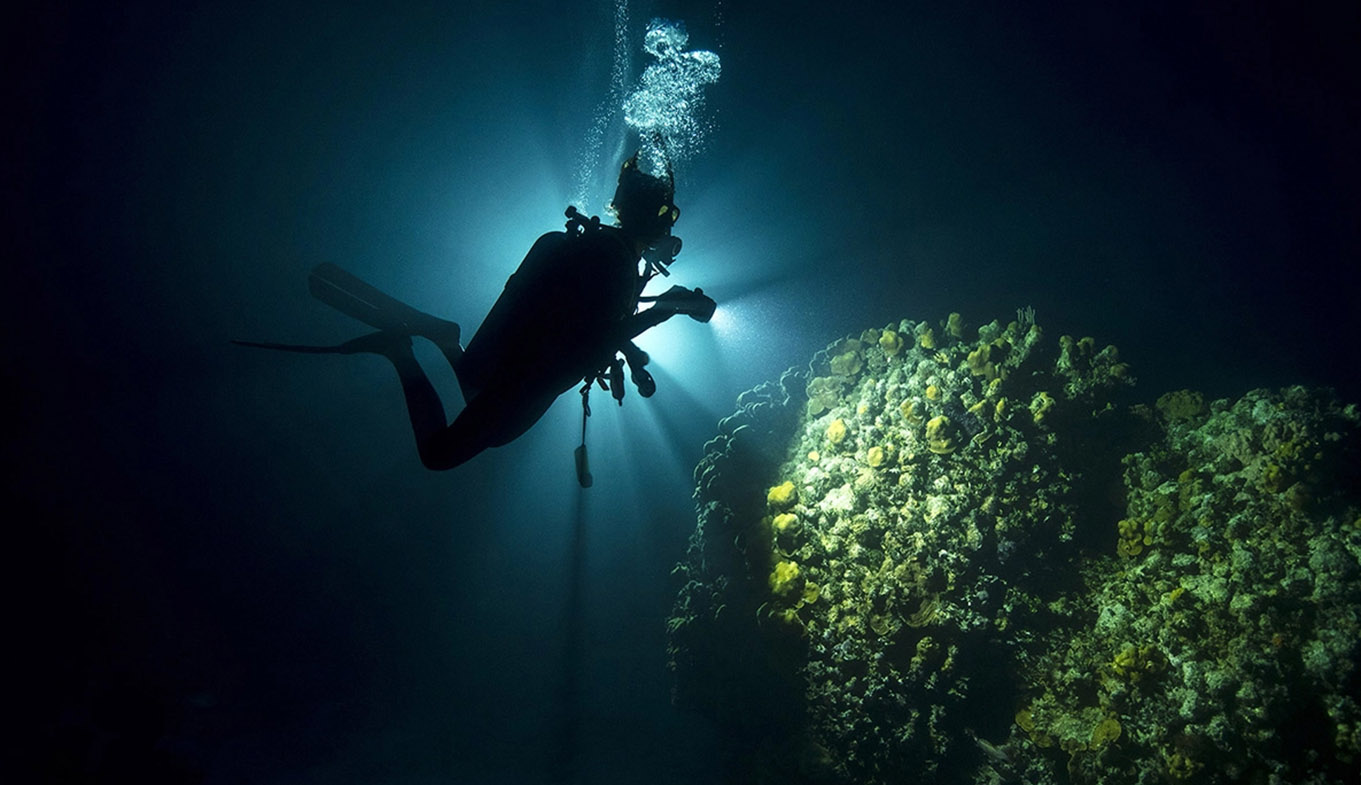
Exploring the Red Sea at Night
After Hours Underwater
-
Water Sports
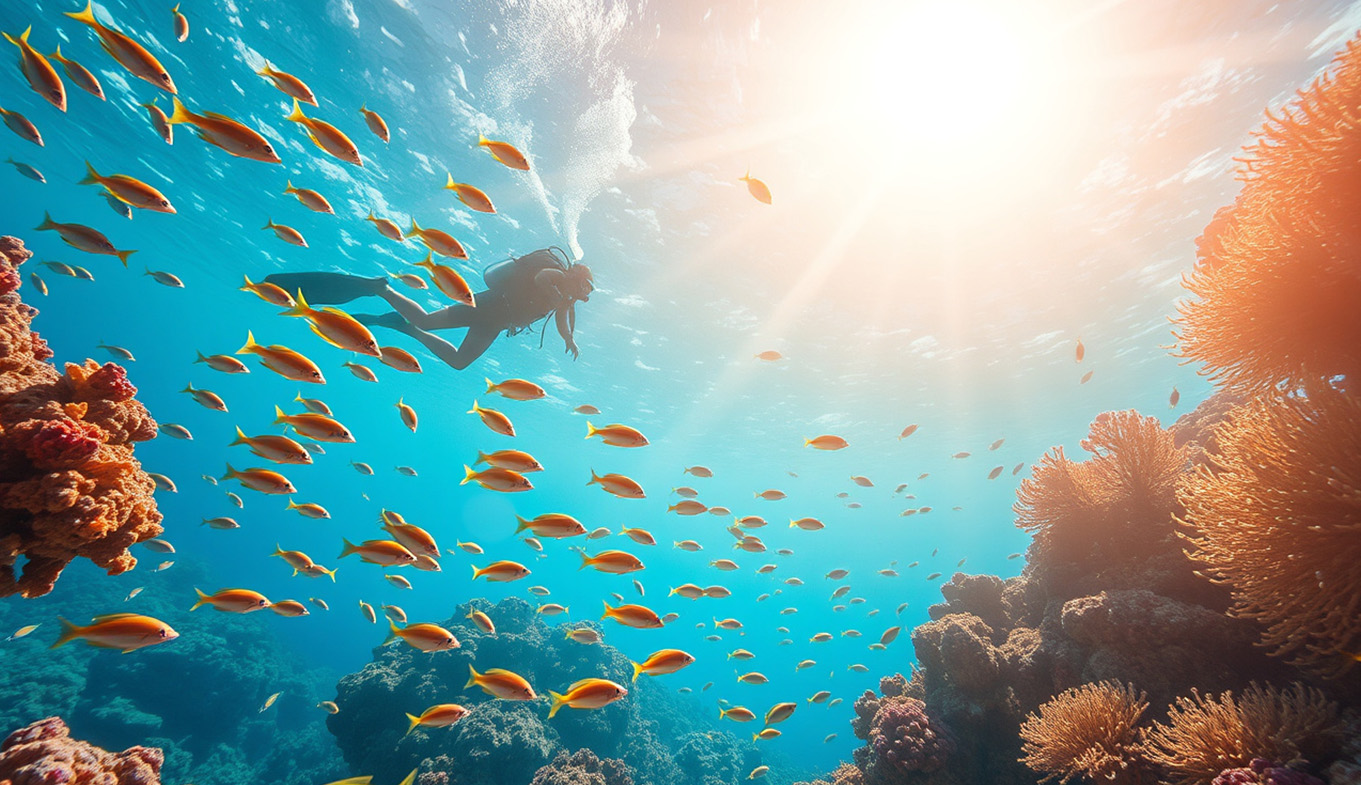
A Diver’s Paradise
Egypt’s Top Diving Destinations
-
Water Sports
A Fragile Paradise
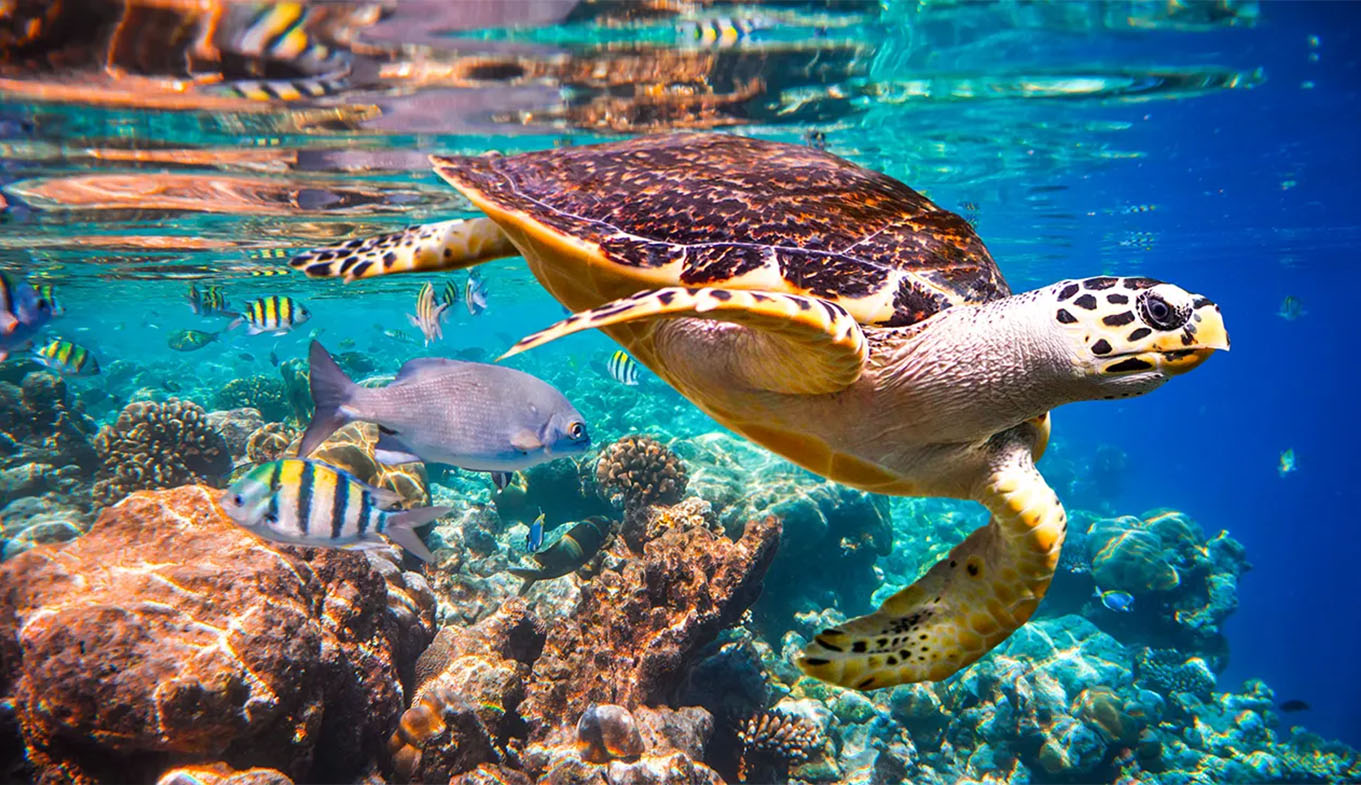
Endangered Wildlife of the Red Sea
Water Sports
Freediving in Egypt
Exploring the Red Sea on a Single Breath
Water Sports
The Boat Club
Porto Marina to Hosted the First Edition of The Boat Club -
Water Sports
Rolex and the World’s Most Prestigious Regattas
A Natural Alliance Between Time and the Sea
Water Sports
Exploring the Red Sea at Night
After Hours Underwater
Water Sports
A Diver’s Paradise
Egypt’s Top Diving Destinations
Water Sports
A Fragile Paradise
Endangered Wildlife of the Red Sea